 Robotically Manipulated Payload Challenge
The judges for the Evaluation Panel were carefully chosen for their knowledge and experience. Each judge scored and commented on the submissions assigned to them. Potential biases in the evaluation process were addressed through our judge onboarding session — training judges on the evaluation criteria and what constitutes a conflict of interest. Each valid submission was evaluated by 5 judges, scored across 4 evaluation criteria, and statistically normalized to ensure fairness for everyone.
Last name A-F
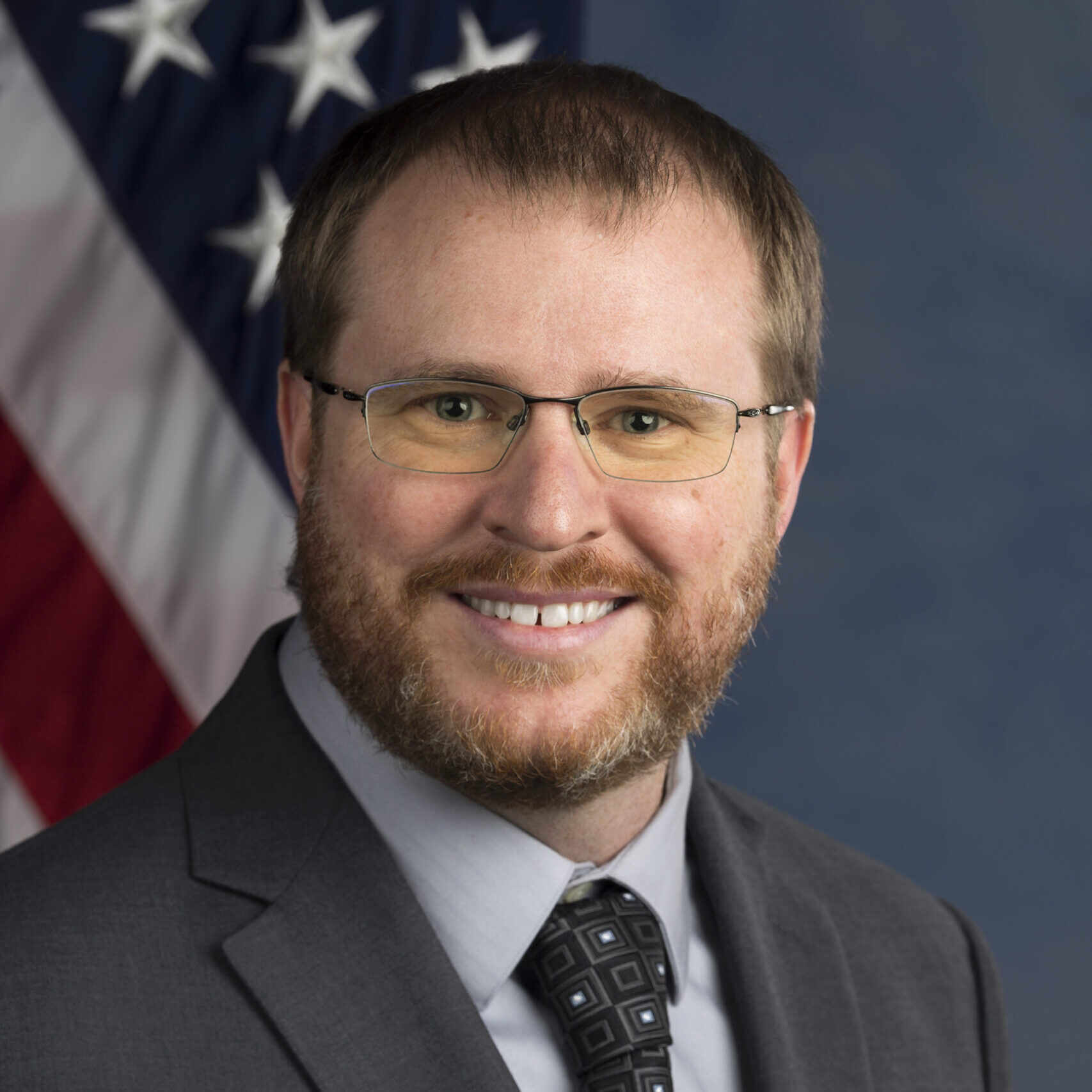
Dale Arney
Senior Team Lead, Systems Analysis and Concepts Directorate, NASA Langley Research Center
Dr. Dale Arney is a senior team lead in the Space Mission Analysis Branch for Science and Technology at NASA Langley Research Center with expertise in space system architecting, systems analysis, and technology assessment. He is a subject matter expert for In-space Servicing, Assembly, and Manufacturing (ISAM) and leads a team that produces ISAM content and analyses such as the ISAM State of Play document and Space Superhighway concept. He has led studies to assess capability needs for NASA’s plans for human exploration and to analyze alternatives for human exploration to the Moon, Mars, Venus, and other destinations. Dr. Arney received his Ph.D. in Aerospace Engineering in 2012, M.S. in 2008, and B.S. in 2006, all from Georgia Tech.
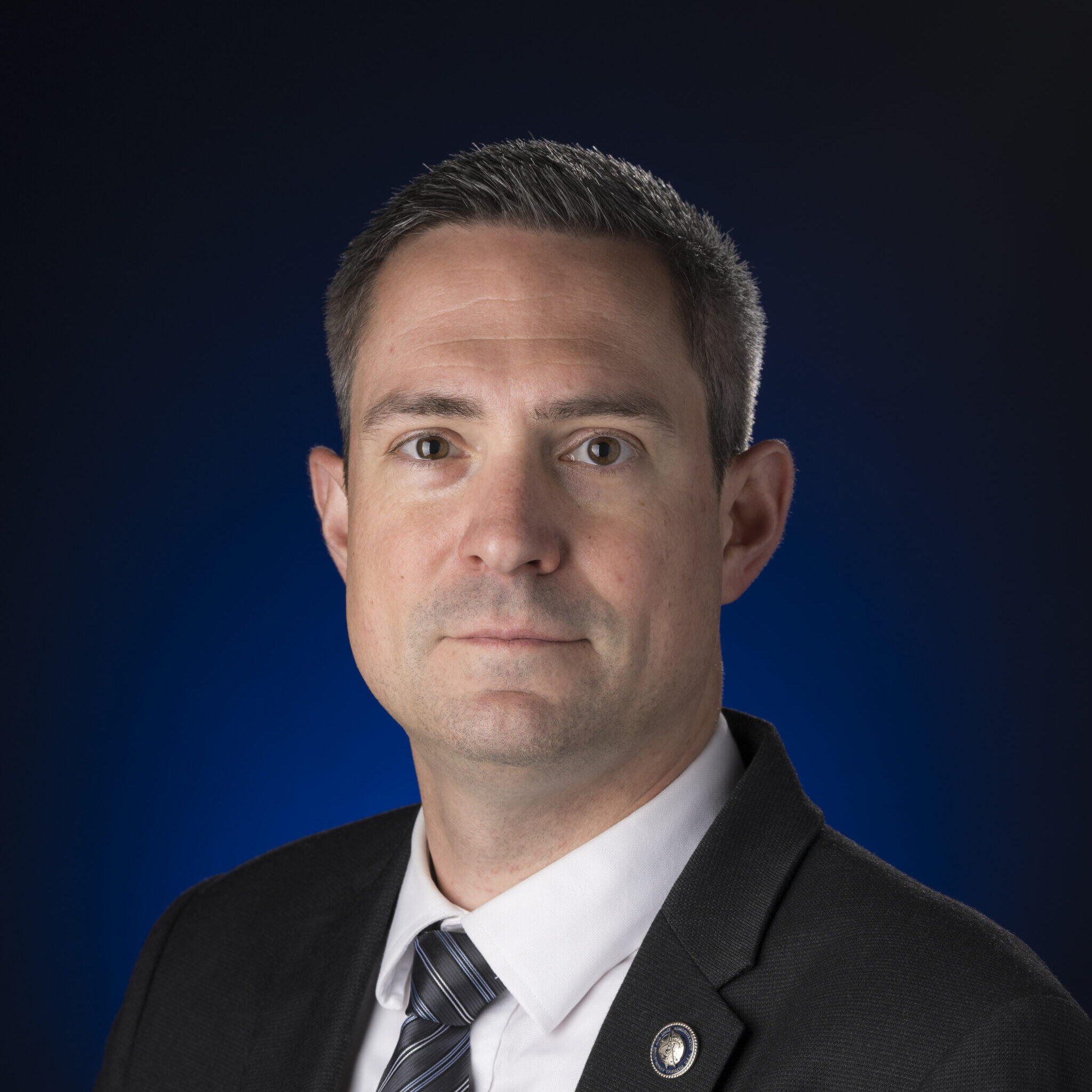
Christopher Baker
Program Executive, Small Spacecraft Technology program within NASA’s Space Technology Mission Directorate
Christopher Baker currently serves as the program executive for the Small Spacecraft Technology program within NASA’s Space Technology Mission Directorate. Under his leadership, this program seeks to increase the pace of space exploration, discovery, and the expansion of space commerce though the rapid identification, development, and testing of capabilities that exploit agile spacecraft platforms and responsive launch capabilities from industry providers. In addition to providing strategic direction, Baker also serves as a technologist for small spacecraft, helping to identify gaps in current capabilities and set technical priorities for small spacecraft investments across the Space Technology Mission Directorate.
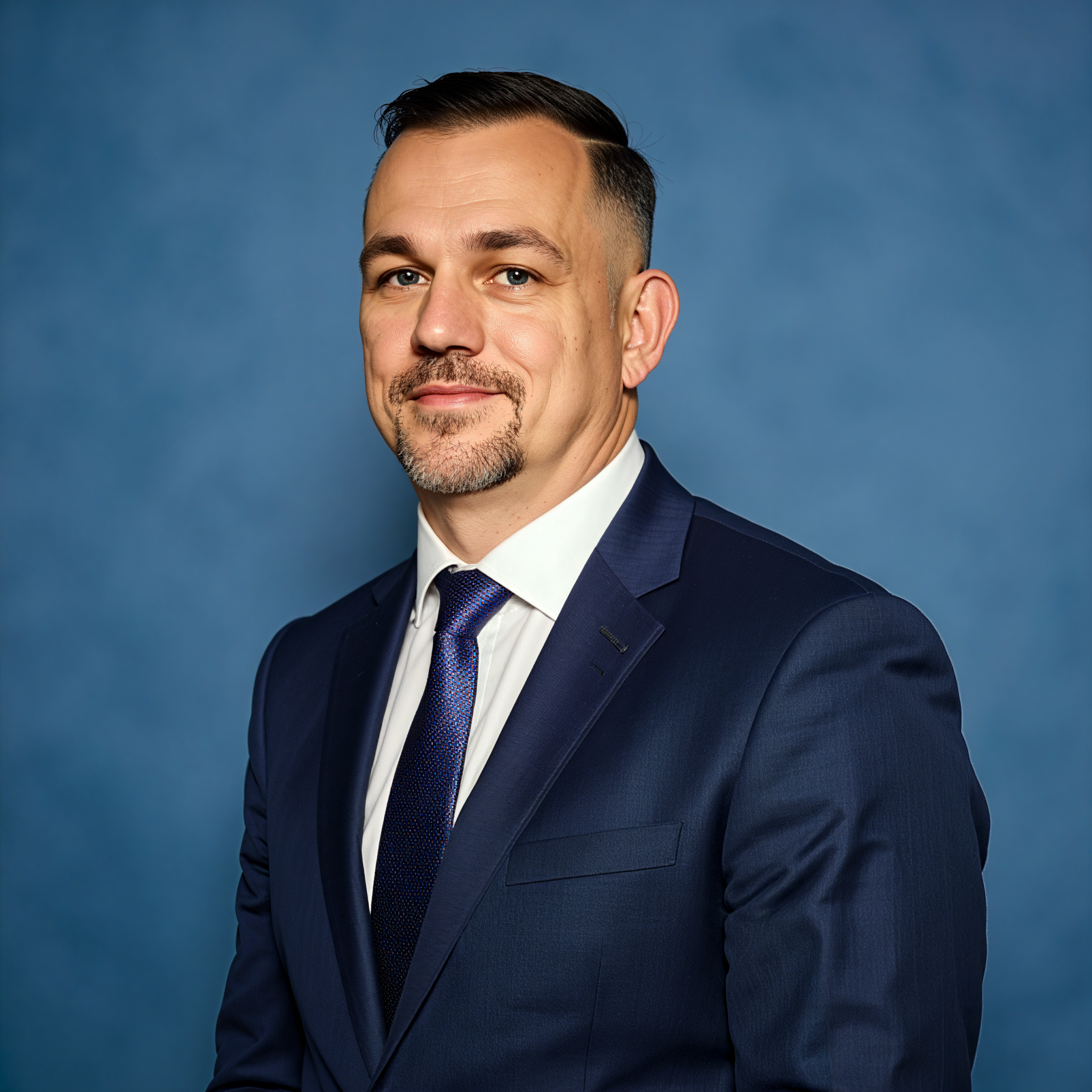
Chris Birkinbine
Project Manager, NASA Armstrong Flight Research Center
Chris Birkinbine is a project manager at NASA’s Armstrong Flight Research Center, where he leads efforts to advance aeronautics research and manage complex technical projects. With a strong background in applied physics and space engineering, Chris brings both technical expertise and leadership to his role. Over the course of more than 10 years at NASA, he has gained extensive experience in range operations, flight testing, and research.
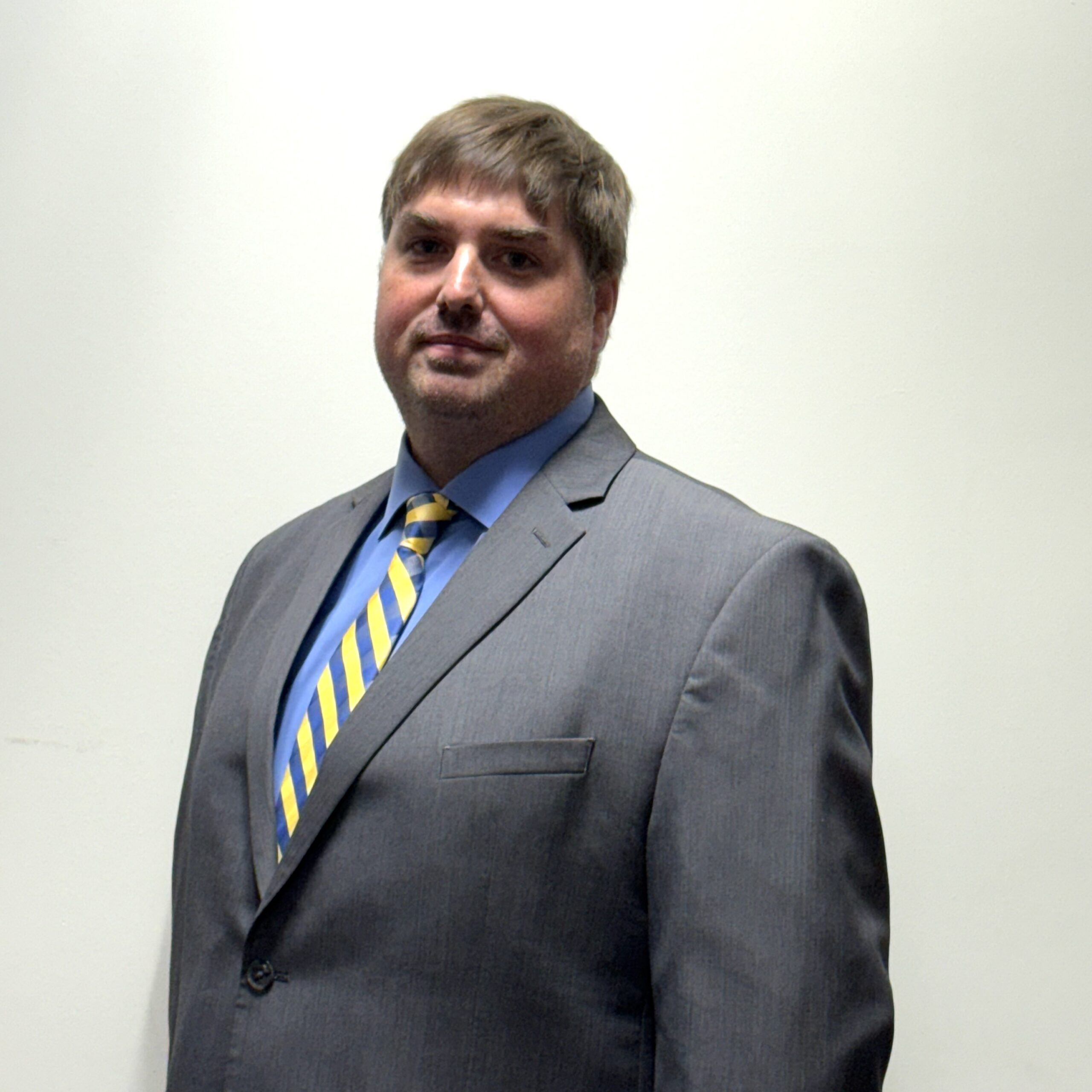
Matthew D. Brunner
Program Manager, Mechanical Engineer
Matthew Brunner earned his bachelor's degree in aerospace engineering from the United States Naval Academy in 2004 and his master's degree in mechanical engineering from the Naval Postgraduate School in 2005. He spent 12 years in various program management positions and came to NRL in 2017 as the laboratory manager for the Space Robotics Lab within the Attitude Control Section. He leads all testbeds within the Space Robotics Laboratory, including the Gravity Offset Testbed (GOT), Gravity Offloader, Proximity Operations Testbed, and rapid prototyping systems. He is a multi-disciplined engineer with expertise in aerospace, mechanical, systems, civil, structural, and manufacturing engineering. He has been a test and design lead for multiple programs, including RSGS, TEPCE, CONFERS, and LVSR EES. He is currently the program manager for the Fueling Logistics for Orbital Warfare (FLOW) program, developing large-scale satellite refueling architecture and procedures for DoD applications.
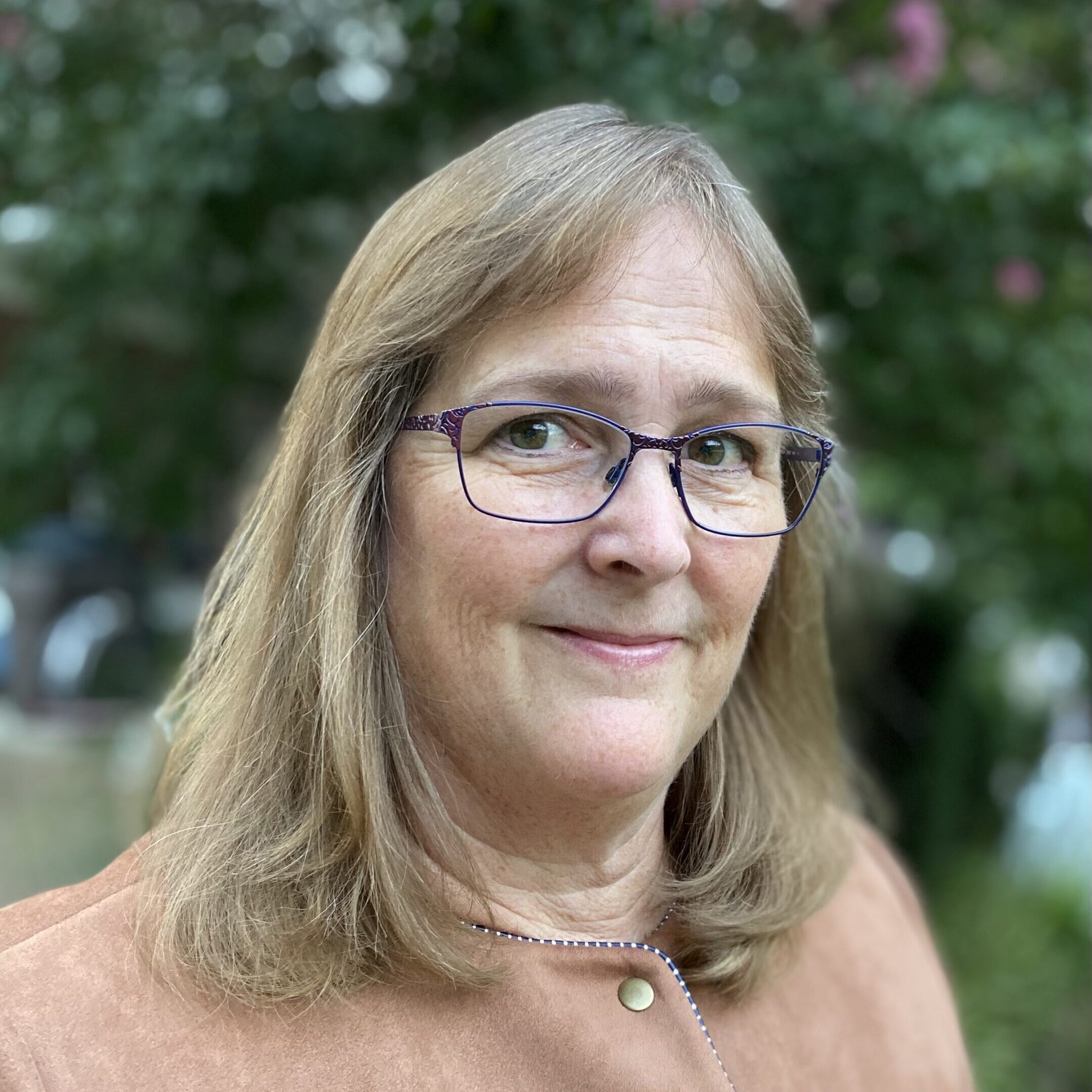
Jennifer Buchanan
SETA Support, Office of the Assistant Secretary of the Air Force for Space Acquisition and Integration
Jennifer Buchanan is a senior analyst supporting the Office of the Assistant Secretary of the Air Force for Space Acquisition and Integration. She has 36 years of experience providing systems engineering, architecture, and analysis support to various DoD, intelligence community, civil and commercial customers. Her current responsibilities include monitoring and assessing Space Access, Mobility, and Logistics capabilities to meet current and future national security space needs.
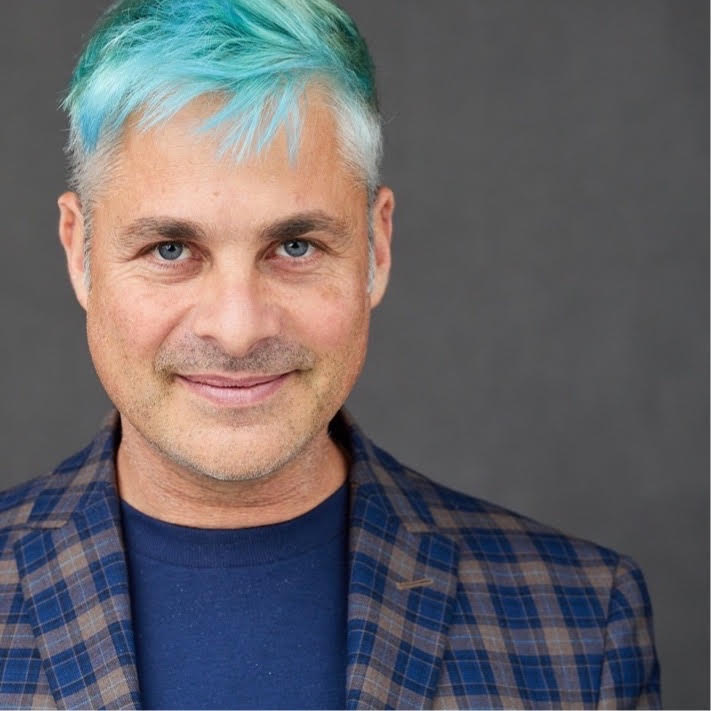
Kalind Carpenter
Roboticist, Caltech
As a Roboticist Kalind’s focus has been on rapid technology development of autonomous multi-agent robots, and end effectors specifically tailored to gripping and mobility. He is the inventor numerous robotic systems including the Exobiology Extant Life Surveyor (EELS), an autonomous adaptable mobility capability aimed to traverse through the plume vent crevasses on Enceladus to reach the ocean below the ice.
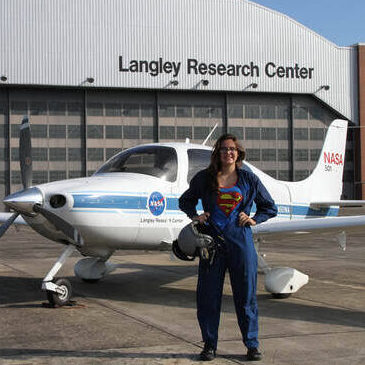
Samantha Chapin
Space Roboticist, U.S. Naval Research Laboratory
Dr. Samantha Chapin is a space roboticist at the U.S. Naval Research Laboratory (NRL) researching reinforcement learning (RL) for In-space Servicing, Assembly, and Manufacturing (ISAM) robotics, with an application focused on free-flying structure manipulation. In May 2025, the APIARY team she co-led conducted the first ever, to our knowledge, RL control of a free-flyer in space using the NASA Astrobee robot on-board the International Space Station. She earned her PhD in mechanical engineering at Virginia Tech in May 2024, her BS/MS degrees from Northeastern University in May 2020, and during university she conducted internships and co-ops at NASA Langley Research Center, NASA Jet Propulsion Laboratory, NRL, and NASA Goddard Space Flight Center developing the mechanical hardware, electrical systems, and software for robots used for various ISAM demonstrations.
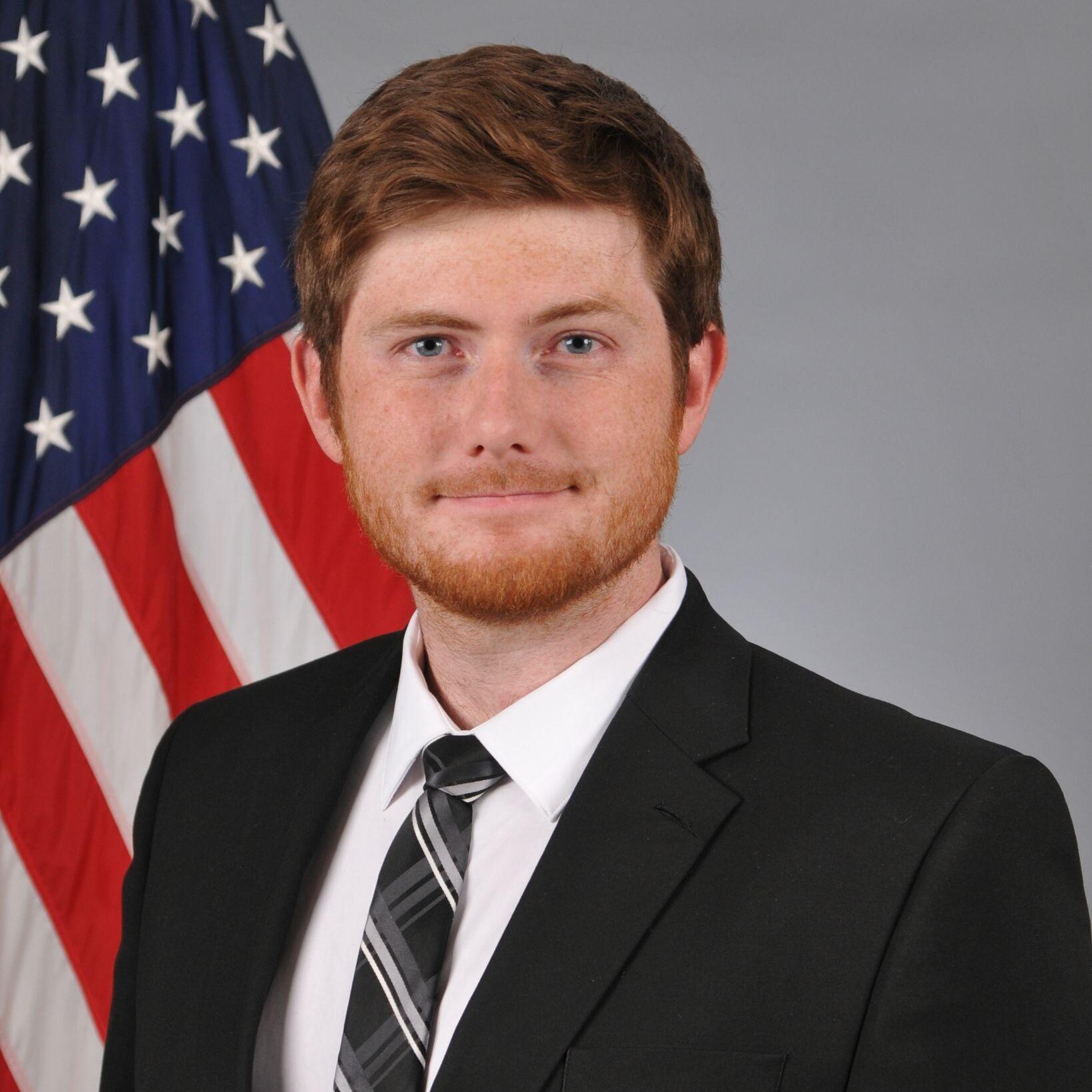
Matthew Cleal
Research Engineer, Air Force Research Lab's Space Warfighting Directorate
Matthew Cleal is a Research Engineer within the Air Force Research Lab's Space Warfighting Directorate, where he supports R&D of technologies to enable Space Mobility and Logistics. His work involves the investigation of in-space robotics for satellite capture and servicing, with particular interests in robotic motion planning, and the use of both active and passive compliance to ensure safety when interacting with a free-floating object. Matthew graduated from the University of New Mexico from which he holds a M.S. and B.S. in Mechanical Engineering, as well as a B.S. in Applied Mathematics.
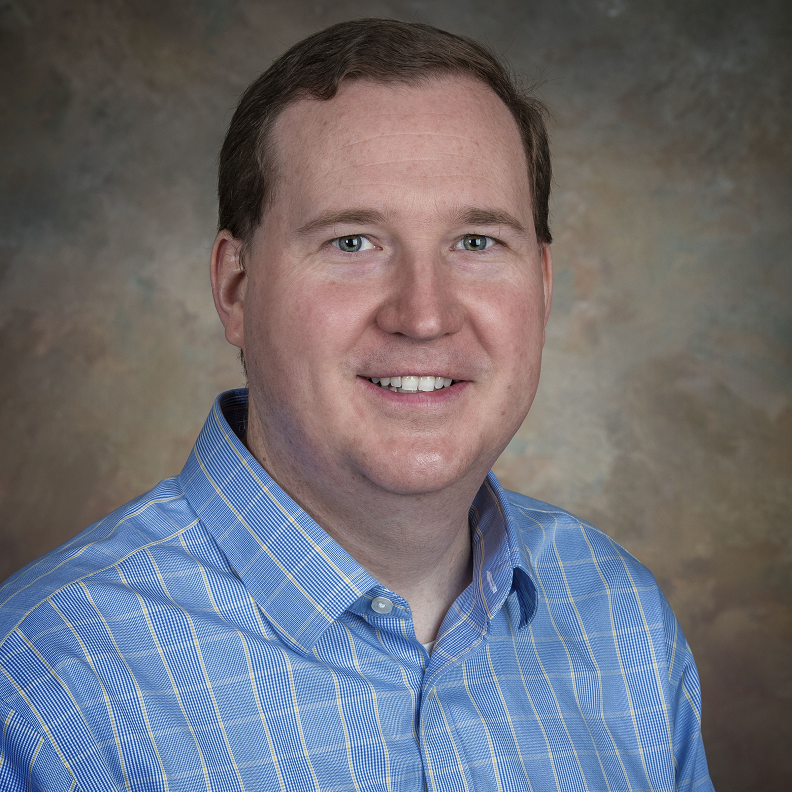
John W. Dankanich
In-Space Transportation Systems Capability Lead, NASA George C. Marshall Space Flight Center
John Dankanich is the NASA Capability Lead for In-Space Transportation and the previous NASA Marshall Space Flight Center Chief Technologist. In his role, he helps prioritize NASA investments in technologies to support future needs of NASA and the US Space Sector. He has served as the lead for Small Spacecraft Technology partnership investments at MSFC, which includes propulsion, power, communications, advanced thermal control systems and end-to-end validation and verification methods. Mr. Dankanich is a recognized subject matter expert in propulsion technology development, testing and mission design. His current focus is technology maturation from concept through flight for advanced propulsion, cryogenic fluid management and space nuclear propulsion.
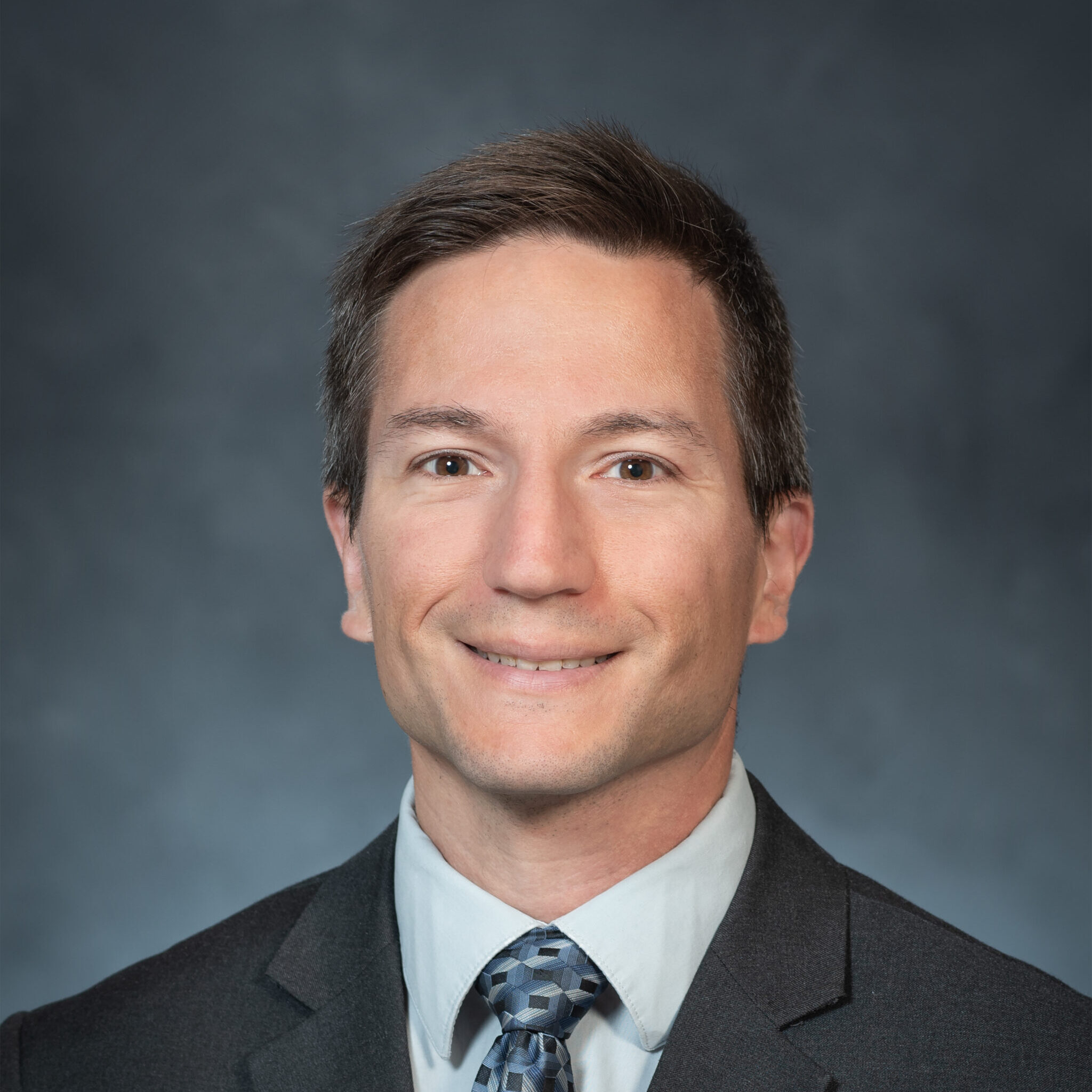
Matt DeMinico
Senior Project Lead, Aerospace Corporation
Mr. DeMinico is a Senior Project Lead at The Aerospace Corporation and former Secretary of the Steering Committee for COSMIC (Consortium for Space Mobility and ISAM Capabilities). He serves as a strategic planning lead in support of NASA’s Advanced Research and Technology Division and provides PM and SME support to Glenn Research Center. Prior to joining The Aerospace Corporation, Mr. DeMinico was the GCD Power Portfolio Manager for GRC, PM for SMD’s eMMRTG project, and PM for the PILS flight project under the NASA CLPS program. Before joining NASA, Mr. DeMinico served as the US Army’s Deputy Chief Scientist for Robotics, serving as the deputy chair of the joint-service Robotics Community of Practice, leading development and revisions of the TARDEC 30-year strategy, and supported development of the Army’s Robotics and Autonomous Systems Strategy.
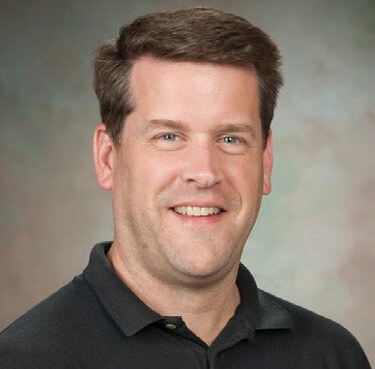
Ryan Dibley
Campaign Manager, NASA's Flight Opportunities, NASA
With almost two decades of experience at NASA’s Armstrong Flight Research Center, Ryan Dibley brings a rich technical background to his role as campaign manager for the Flight Opportunities program. Ryan manages flight campaigns for technology payloads flying with Blue Origin, Virgin Galactic, Masten Space Systems, and Zero Gravity Corporation (ZERO-G). Prior to this role, he served as chief engineer on the subscale towed glider air launch system at NASA Armstrong, and much of his earlier experience involved flight tests of different varieties.
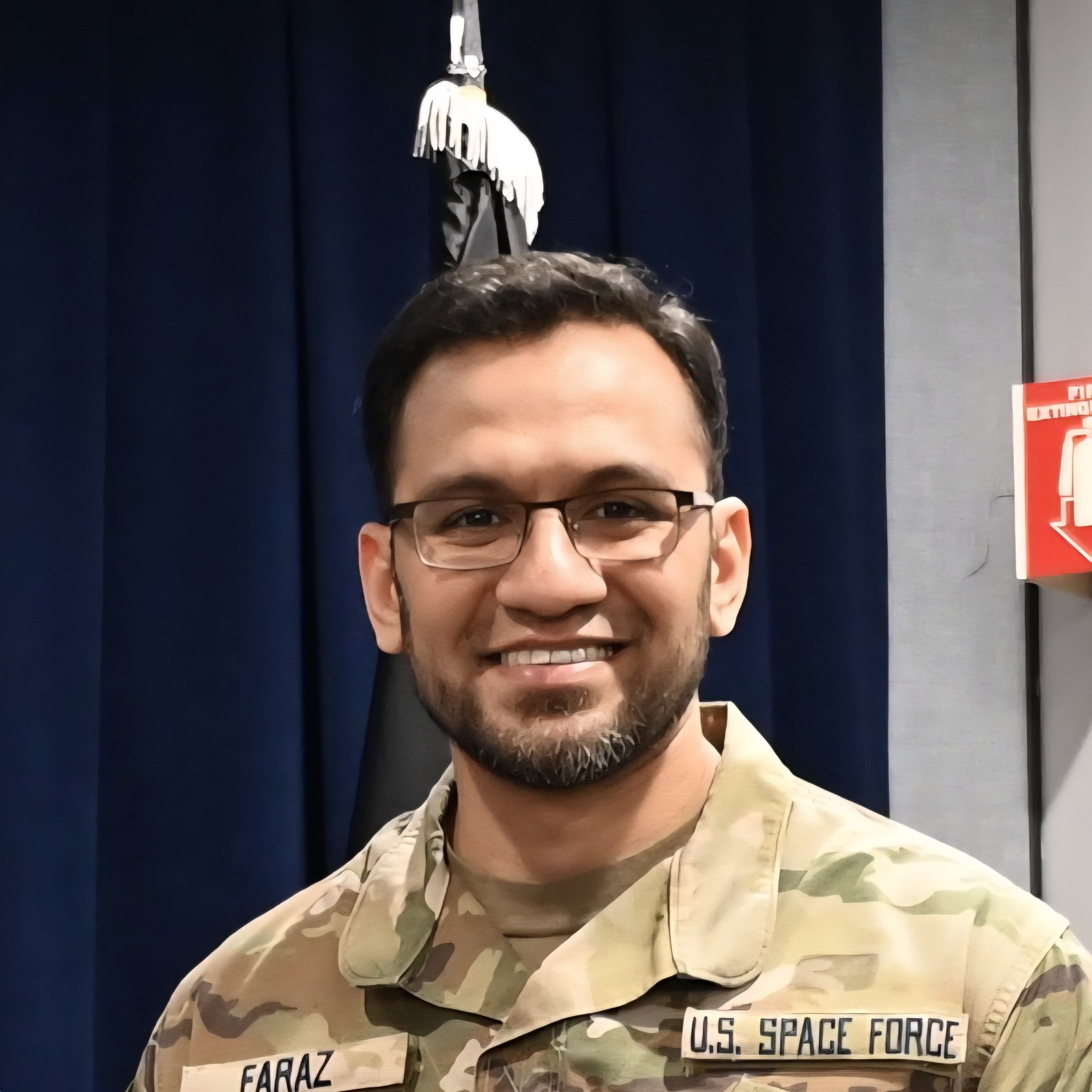
Captain Qazi Faraz
Lead Engineer, US Space Force’s Space Access PAE Engineering Directorate
A member of the US Space Force’s Space Access PAE Engineering Directorate, Captain Faraz serves as the Lead Engineer for two ground-breaking on-orbit Servicing, Mobility, and Logistics (SML) demonstrations. These landmark missions are designed to showcase operational viability for on-orbit refueling and augmented maneuver capabilities, shaping the future of space access.
Last name G-K
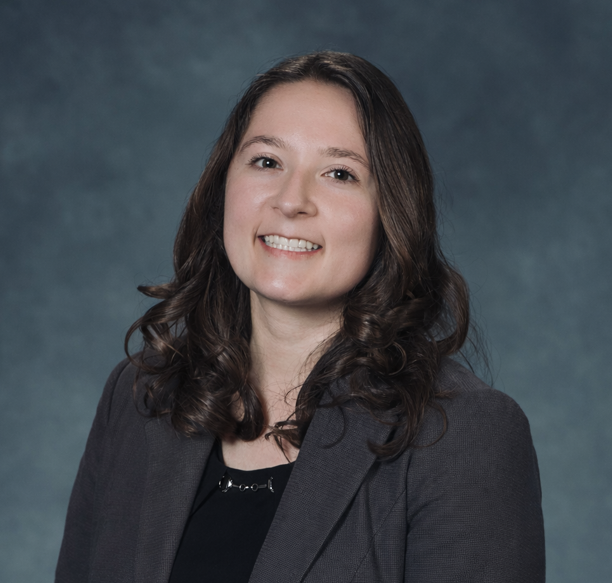
Lilia Glaser
HAB Campaign Manager for Flight Opportunities Program, NASA
Lilia Glaser holds a B.S. in Civil Engineering from Central Connecticut State University and an M.S. in Mechanical Engineering from the University of Connecticut. Lilia has been an aerospace engineer at NASA Glenn Research Center since 2018, where she currently manages high altitude balloon flight test campaigns that advance cutting edge aerospace technologies.
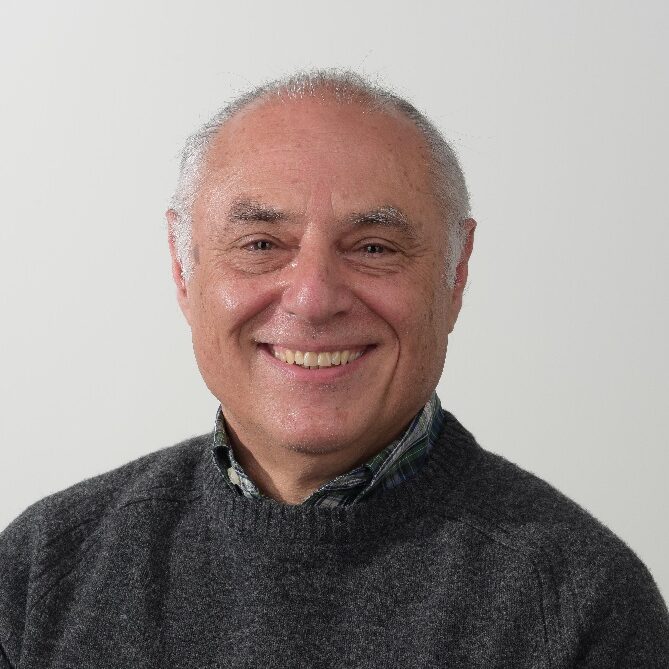
Henry Helvajian
Technical Fellow/Principal Scientist, The Aerospace Corporation
Henry is recognized in the areas of miniaturizing space systems (CubeSats, Nanosatellites), in laser material interaction physics/chemistry, additive manufacturing and ISAM technologies.
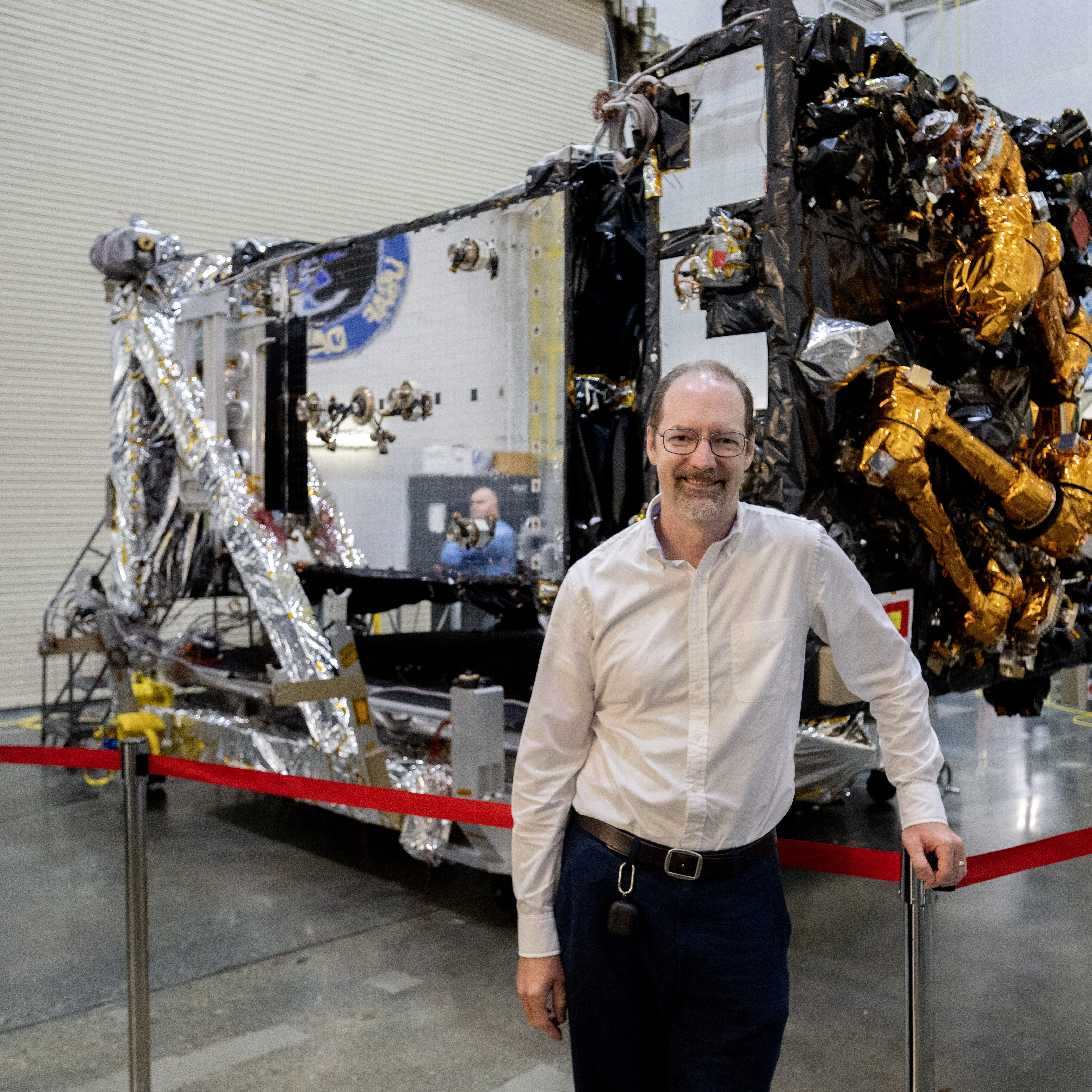
Carl “Glen” Henshaw
Senior Scientist for Robotics and Autonomous Systems
Carl “Glen” Henshaw is the US Naval Research Lab’s Senior Scientist for Robotics and Autonomous Systems. He served as the lead roboticist for the Robotic Servicing of Geosynchronous Satellites (RSGS) program from 2017 to 2026. His research interests include nonlinear control, robotic manipulation, bureaucracy hacking, and sheep farming.
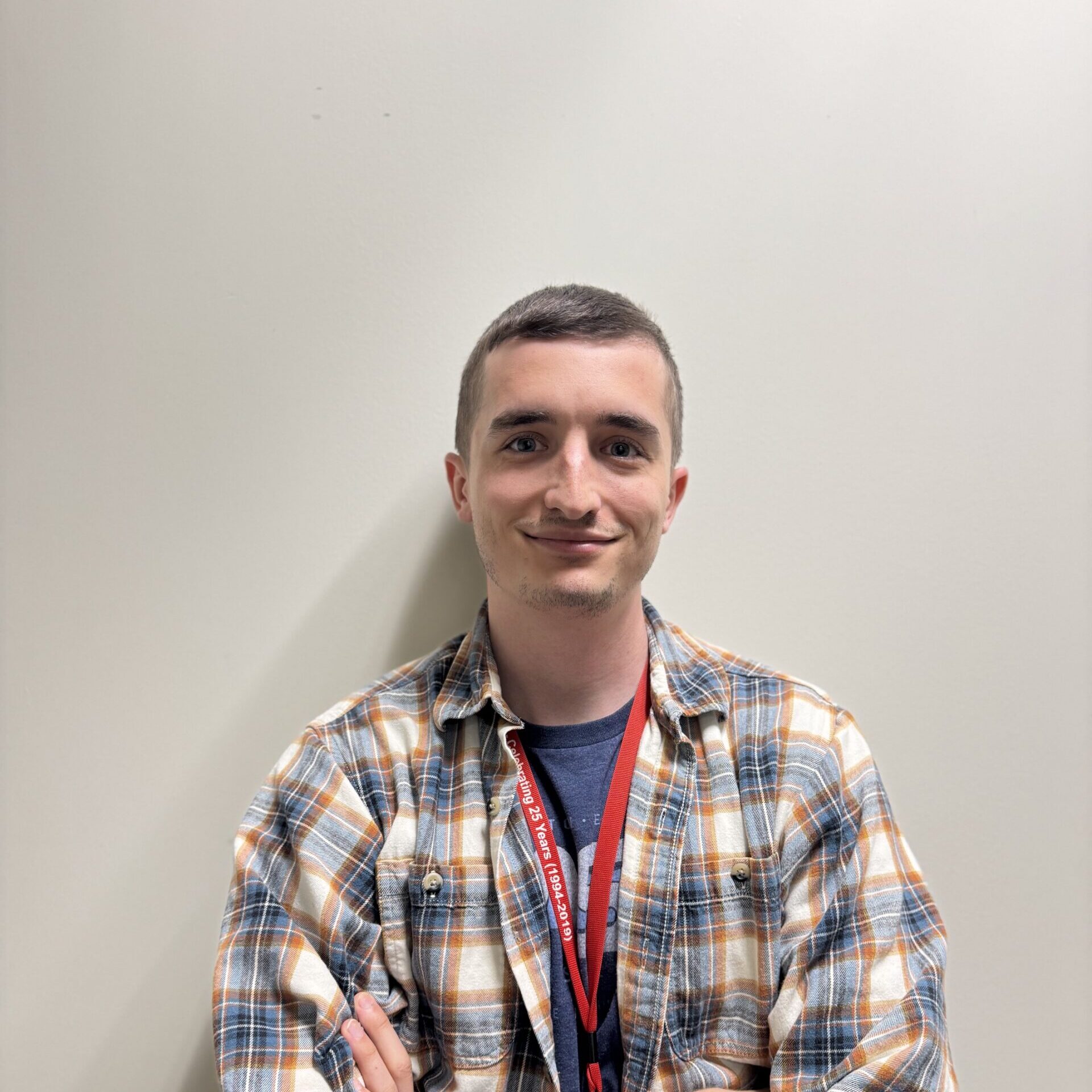
Pat Hoskins
Aerospace Engineer, U.S. Naval Research Laboratory
Pat Hoskins is an aerospace engineer at the U.S. Naval Research Laboratory, where his work focuses on spacecraft guidance, navigation, and control, space robotics, autonomous rendezvous, proximity operations, and in-space servicing, assembly, and manufacturing. He develops high-fidelity simulations and hardware-in-the-loop experiments to evaluate autonomous docking, capture, and robotic manipulation technologies. Pat holds B.S. and M.S. degrees in aerospace engineering from the University of Maryland and is pursuing a Ph.D. in aerospace engineering at Texas A&M University, where his research integrates orbital dynamics, state estimation, robotic motion planning, and reinforcement learning to enable autonomous on-orbit servicing.
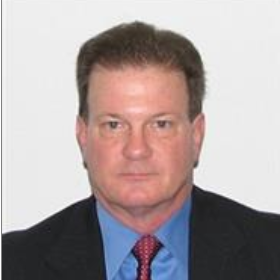
Michael J. Klassen
Mr. Klassen has more than 44 years of experience in space, commercial, and international business environments, which includes technical analysis, program management, and business development for US government and International programs.
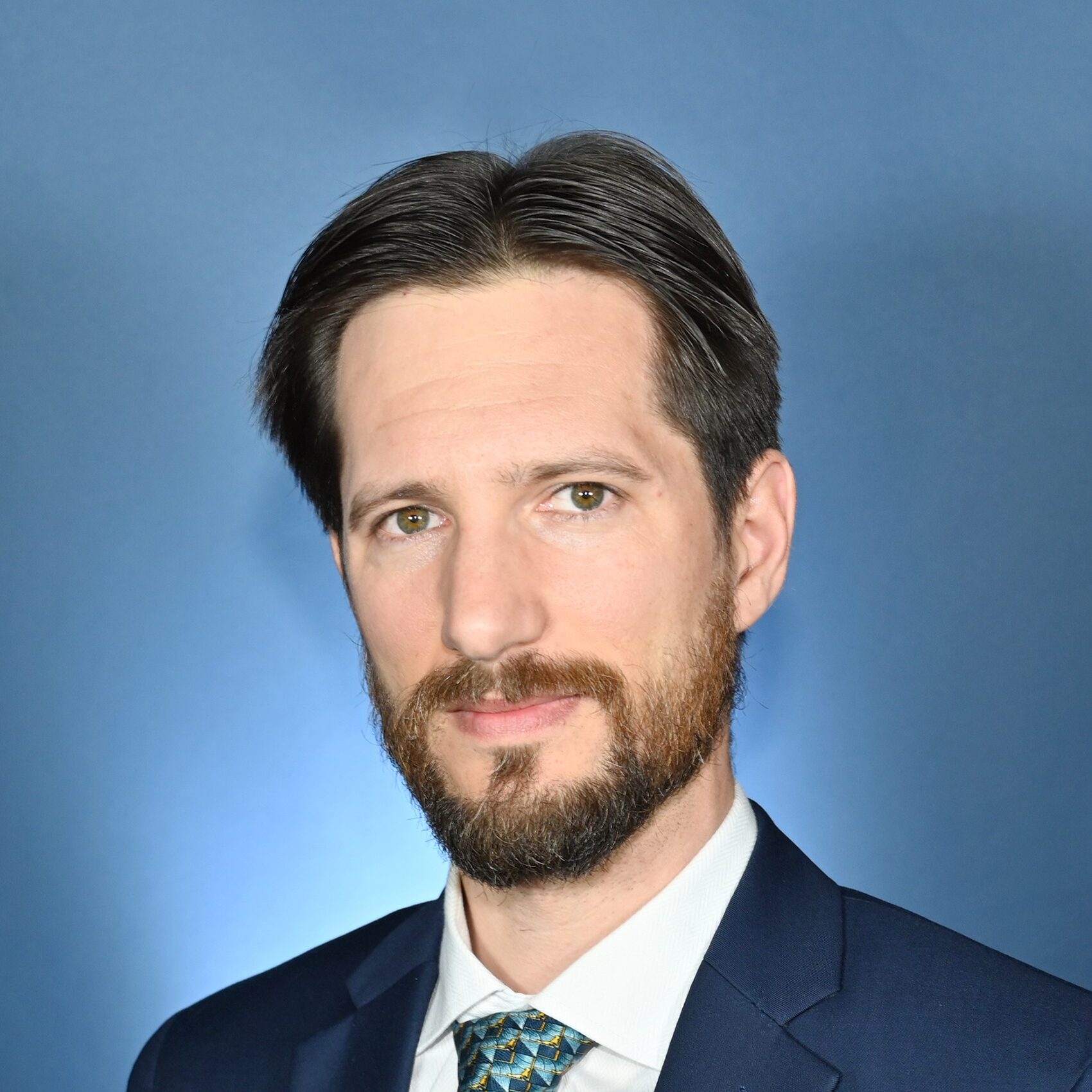
Peter Knudtson
Mission Systems Engineer, NASA’s GSFC
Peter Knudtson is the Fly Foundational Robots (FFR) Mission Systems Engineer in the In-space Servicing, Assembly, and Manufacturing (ISAM) branch at NASA’s Goddard Spaceflight Center. His previous work at NASA includes manufacturing the OSAM-1 satellite refueling system, manufacturing the Europa Clipper propulsion system, and serving as the business and technology development lead for the Mission Engineering and Systems Analysis Division. Prior to working at NASA, Peter was a propulsion engineer and manufacturing engineer in the launch vehicle industry with experience on the Delta, Falcon, and Space Launch System family of rockets and engines. Peter holds a BS in Aerospace Engineering from Parks College, St. Louis University and a Masters degree in Space Studies from the International Space University.
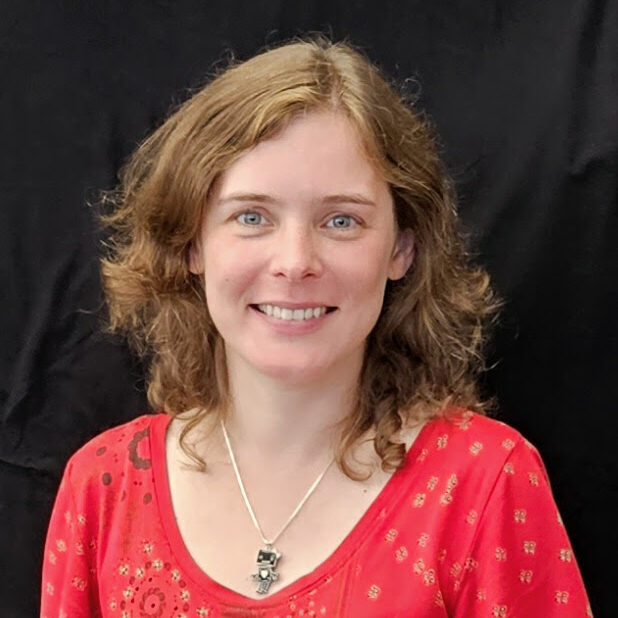
Irina Kostitsyna
Computer Scientist, KBR at NASA Ames Research Center
Irina Kostitsyna is a computer scientist at KBR at NASA Ames Research Center, working on algorithmic foundations for autonomy and multi-robot assembly as a part of the Coded Structures Laboratory. Before joining the Coded Structures Lab, she was an assistant professor at the Eindhoven University of Technology in the Netherlands. Her background is in computational geometry, distributed geometric algorithms, and planning for multiagent systems. She received her Ph.D. in computer science from Stony Brook University.
Last name L-P
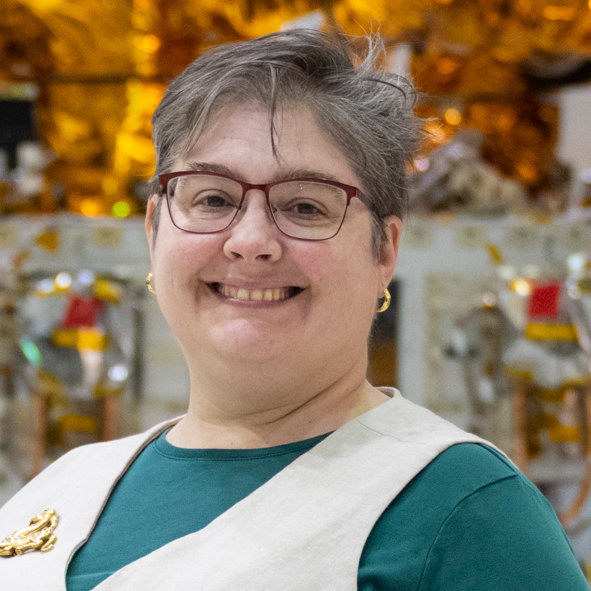
Jamie Lennon
Head, Robotics and Machine Learning Section, Naval Research Lab
Dr. Jamie Lennon has been involved in space robotic technology development for over twenty-five years. She led the development of the Integrated Robotic Workstation ground software for the DARPA Robotic Servicing of Geostationary Satellites program, and prior to that worked in robotic operations development, autonomy, and control. She holds a BS and a BA in Mechanical Engineering and Medieval Studies from Rutgers University, and an MS and PhD in Aerospace Engineering from the University of Maryland – College Park, where she worked as a research assistant in the Space Systems Laboratory.
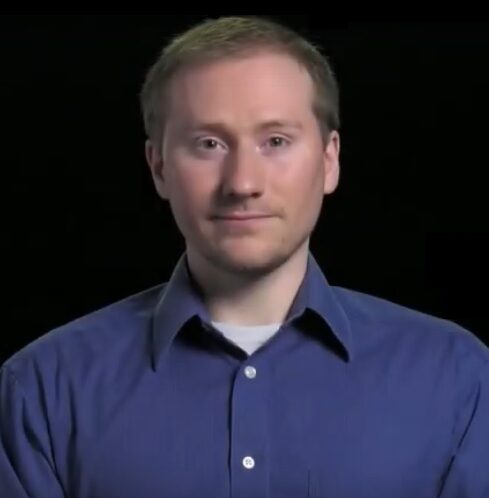
Matthew K. Mahlin
Aerospace Research Engineer, NASA Langley Research Center
Mr. Matthew K. Mahlin is an Aerospace Research Engineer in the Structural Mechanics and Concepts Branch (SMCB) at NASA Langley Research Center (LaRC). Mr. Mahlin’s technical responsibilities at LaRC comprise a combination of design, testing, and experimentation at both the coupon and full-size scales as well as development of new in-space assembly concepts. Mr. Mahlin is currently the principal investigator for the Autonomous Robotic Construction of Lunar Surface Infrastructure project.
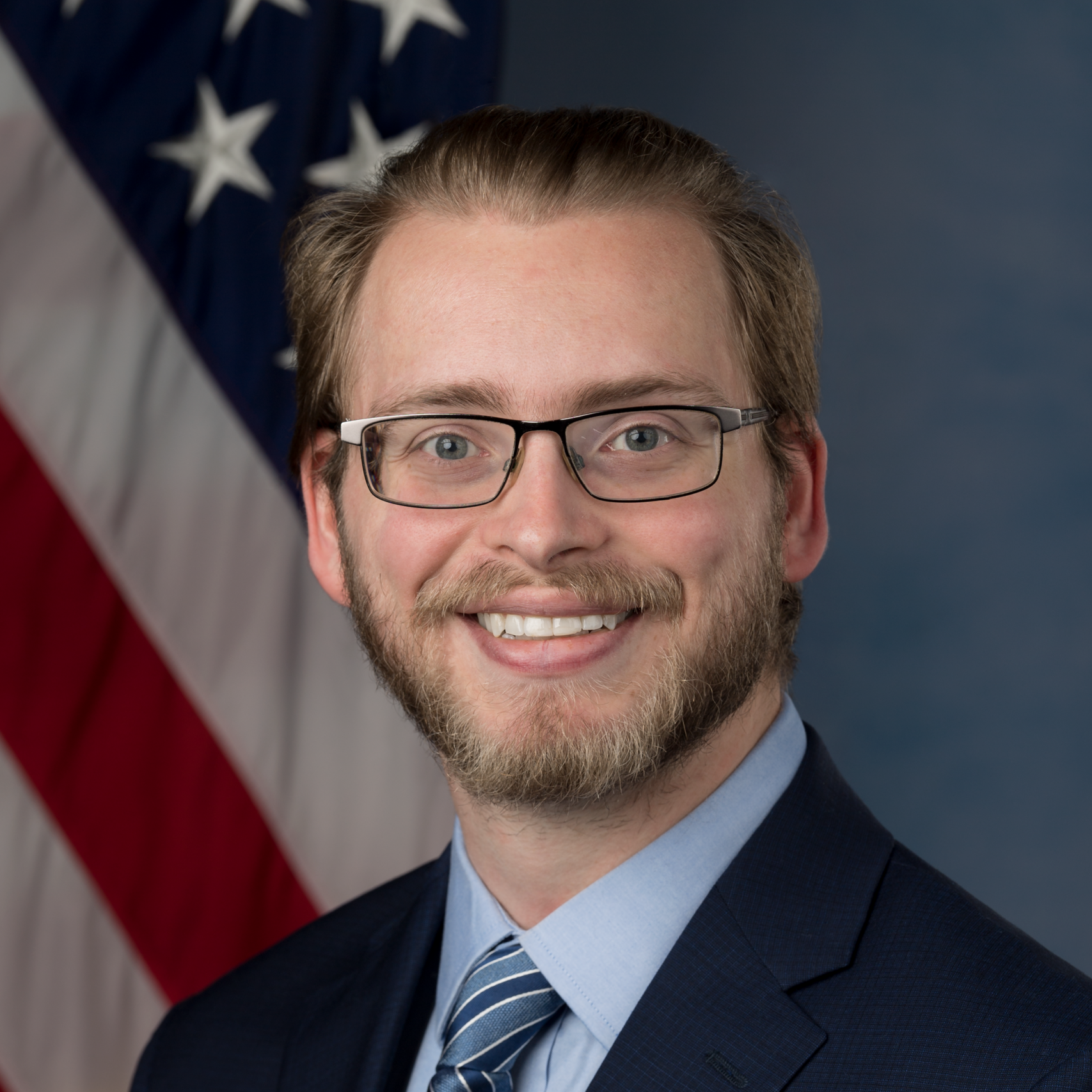
Jacob Martin
Robotics Research Engineer, NASA Langley Research Center
Mr. Jacob Martin is a Robotics Research Engineer at NASA Langley Research Center in Hampton, Virginia. He has worked on robotic assembly projects like Tall Lunar Tower (TLT), Precision Assembled Space Structures (PASS), and Modular Assembled Radiators for Nuclear Electric Propulsion (NEP) Vehicles (MARVL). Mr. Martin is the lead for the Lightweight Surface Manipulation System (LSMS) at NASA Langley for payload offloading. He has an MS in In-Space Robotic Assembly of Structures, BS in Mechanical Engineering, and BA in Spanish. Mr. Martin’s interests lie with mechanism development for robotic payload interaction and manipulation, and furthering lunar surface infrastructure development.
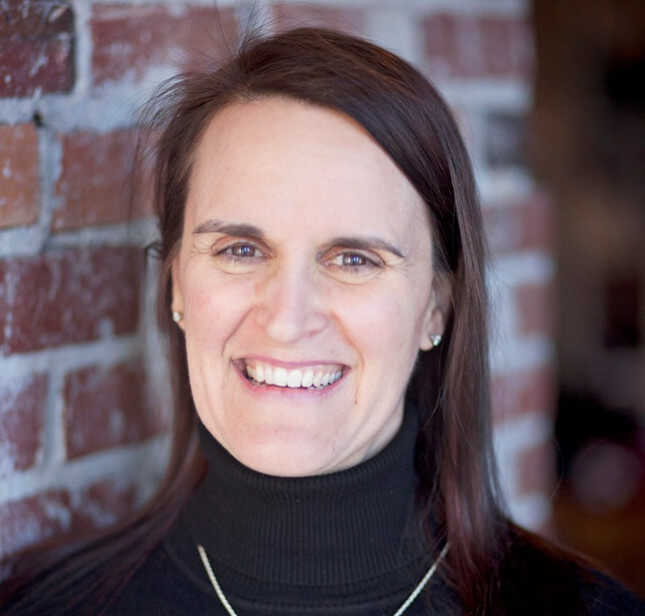
Danielle McCulloch
Program Manager, NASA Flight Opportunities
Danielle McCulloch serves as the program manager for NASA’s Flight Opportunities program within NASA’s Space Technology Mission Directorate. Flight Opportunities rapidly demonstrates promising technologies for space exploration, discovery, and the expansion of space commerce through suborbital testing with industry flight providers. In this role, she provides strategic integration between researchers, mission stakeholders, and flight providers, as well as other NASA programs, to maximize impact for technology advancement and ensure that the flight test community is actively engaged in available opportunities. During her time with NASA, Ms. McCulloch has also held positions as Deputy Program Manager for Flight Opportunities and Chief of Staff for the Small Spacecraft Technology and Flight Opportunities program portfolio. She previously held various leadership roles in the medical device and paper manufacturing industries as well as served as vice president for a small technology transfer consultancy. Ms. McCulloch has a wide breadth of technology-related experience, including technology evaluation, technology transfer, entrepreneurship, developing a research culture, innovation management, and fostering researcher and inventor diversity. She holds a Bachelor of Science in Chemical Engineering from Washington University and an MBA from Dartmouth College.
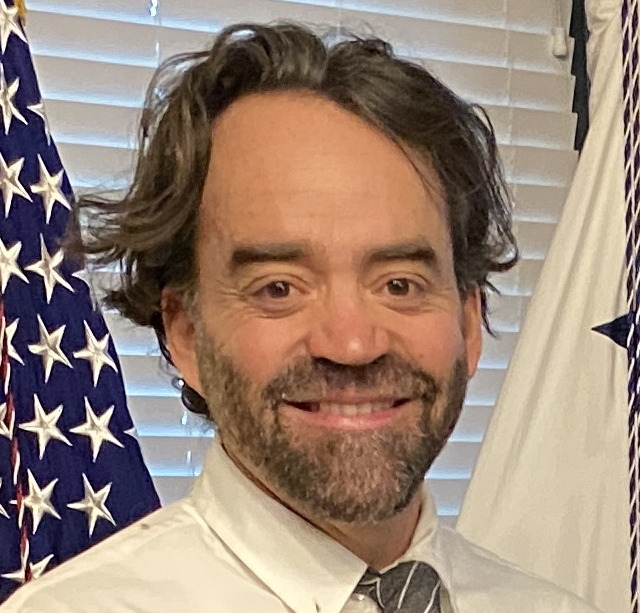
Bo Naasz
Senior Technical Civil Servant, NASA
Bo Naasz is a Senior Technical civil servant at NASA, currently leading the agency-level Rendezvous and Capture System Capability Leadership Team, and servicing as the primary editor of NASA On-Orbit Servicing, Assembly, and Manufacturing (OSAM) Strategic Technology Plan. His duties include stewardship, strategy, and advising of NASA leadership and projects on issues relevant to Rendezvous and Capture and OSAM. A graduate of Virginia Tech, with Bachelor’s and Master’s Degrees in Aerospace Engineering, Bo is a subject matter expert for autonomous rendezvous and docking, spacecraft and terrain relative navigation, and robotic in-space servicing systems. He has served as flight dynamics lead, Principal Investigator, Project Manager, and Mission System Engineer, respectively, on Hubble Robotic and crewed Servicing Missions, the Asteroid Redirect Mission, and the NASA OSAM-1 mission. Born in Kansas, and raised in Texas, Maryland, and South Dakota, Bo currently lives in Baltimore, Maryland with his wife and three children.
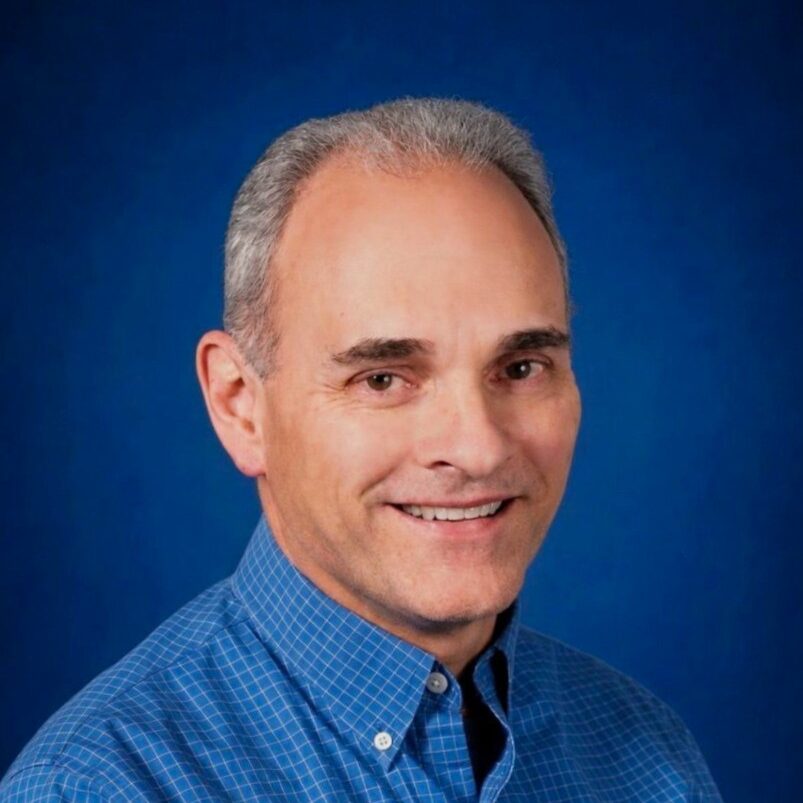
Mark Neuman
Systems Engineer, Stellar Solutions, Inc
Mark Neuman is a Systems Engineer at Stellar Solutions supporting NASA/Goddard’s Space Robotics and ISAM Capabilities Office. He has provided systems and mechanical engineering support for Fly Foundational Robots (FFR), The Robotic Refueling Missions (RRM), Mars Sample Return and Hubble Servicing Missions. He is coauthor of three papers on In-space Servicing and Mars Sample Return. He is the recipient of the Robert H. Goddard Engineering Excellence Award and the Space Flight Awareness (SFA) Silver Snoopy Award.

Anh Nguyen
Space Technology Mission Directorate's Small Satellite Technology and Flight Opportunities Program Portfolio Manager, NASA
Dr. Anh Nguyen is the Research and Technology Mission Directorate’s Flight Opportunities Hosted Orbital Campaign Manager at NASA Headquarters. With a PhD in Aerospace Engineering from the University of Florida, her subject expertise and experience spans small satellite Project Management, Systems Engineering, and Attitude Determination and Controls Systems.
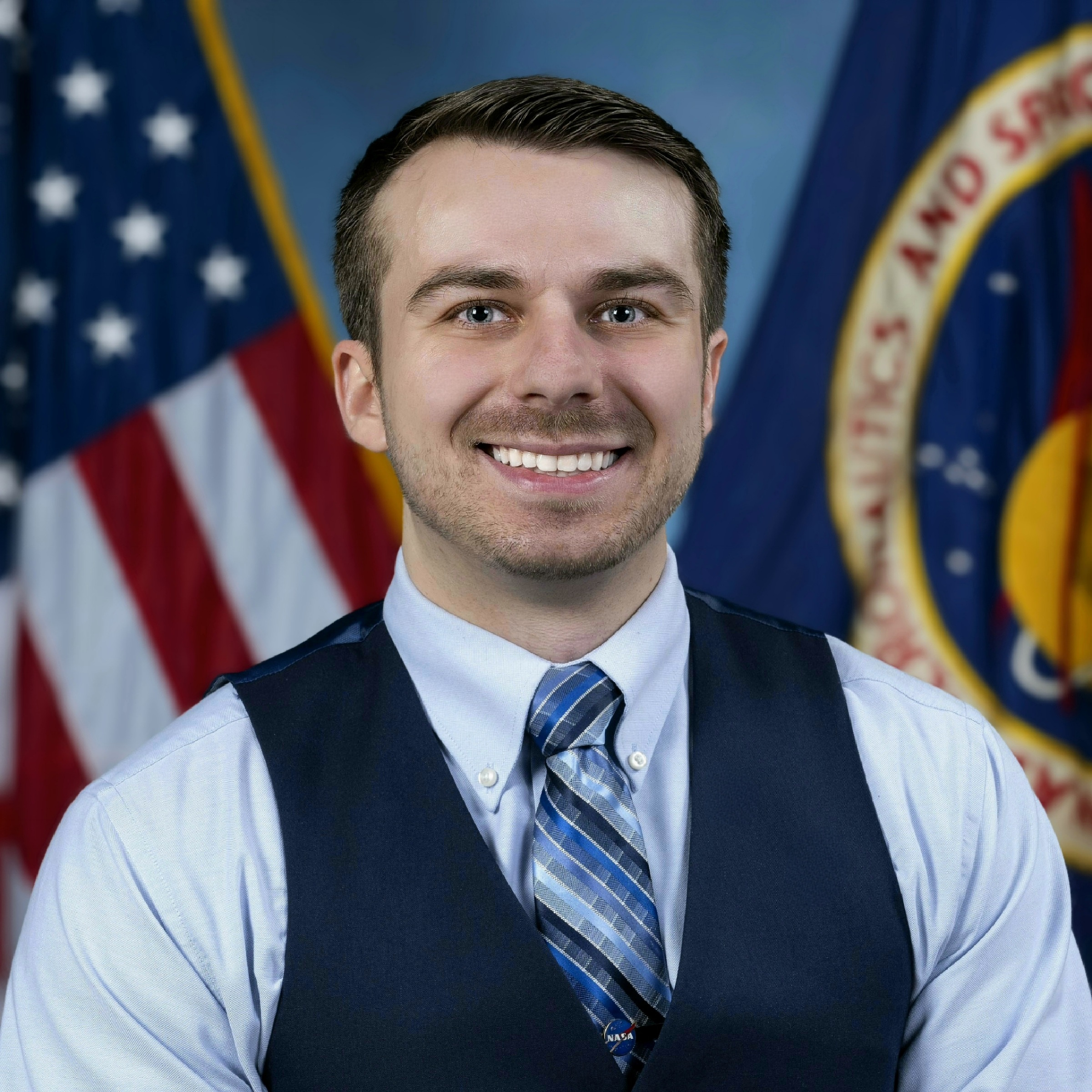
Andrew O’Connor
Materials Scientist, Materials Science and Metallurgy Branch, NASA Marshall Space Flight Center
Andrew O’Connor is a civil servant in the Materials Science and Metallurgy Branch at NASA Marshall Space Flight Center with a focus on integrated computational materials engineering (ICME), microgravity materials science, and in-space laser manufacturing. He earned his PhD in Materials Science and Engineering in 2023 from the University of Florida. He serves as principal investigator for several in-space laser manufacturing projects at NASA Marshall including: laser forming of sheet metal within thermal vacuum, laser beam welding process development in combined microgravity and vacuum, and supervised autonomous laser beam welding within thermal vacuum for Lunar infrastructure.

Macarena Parra
Chief Technologist, Flight Opportunities Program, NASA Ames Research Center
Dr. Macarena Parra started at NASA Ames in 2002 as a postdoctoral researcher studying the effects of microgravity on bone. She then worked as a Payload Scientist, supporting numerous experiments on the Space Shuttle and later the ISS. While she was a Payload Scientist for Shuttle and ISS, she also took on the role of Project Scientist for GeneSat, the first Small Satellite to run an autonomous biological experiment on orbit. Since then, she has been Project Scientist or an advisor for all biological SmallSats developed at Ames. Dr. Parra also led the science and sample processing development portion of hardware for use on the ISS: the WetLab-2 system capable of purifying and analyzing RNA on orbit that was successfully demonstrated in 2016. She is currently the Chief Technologist with the Flight Opportunities Program.
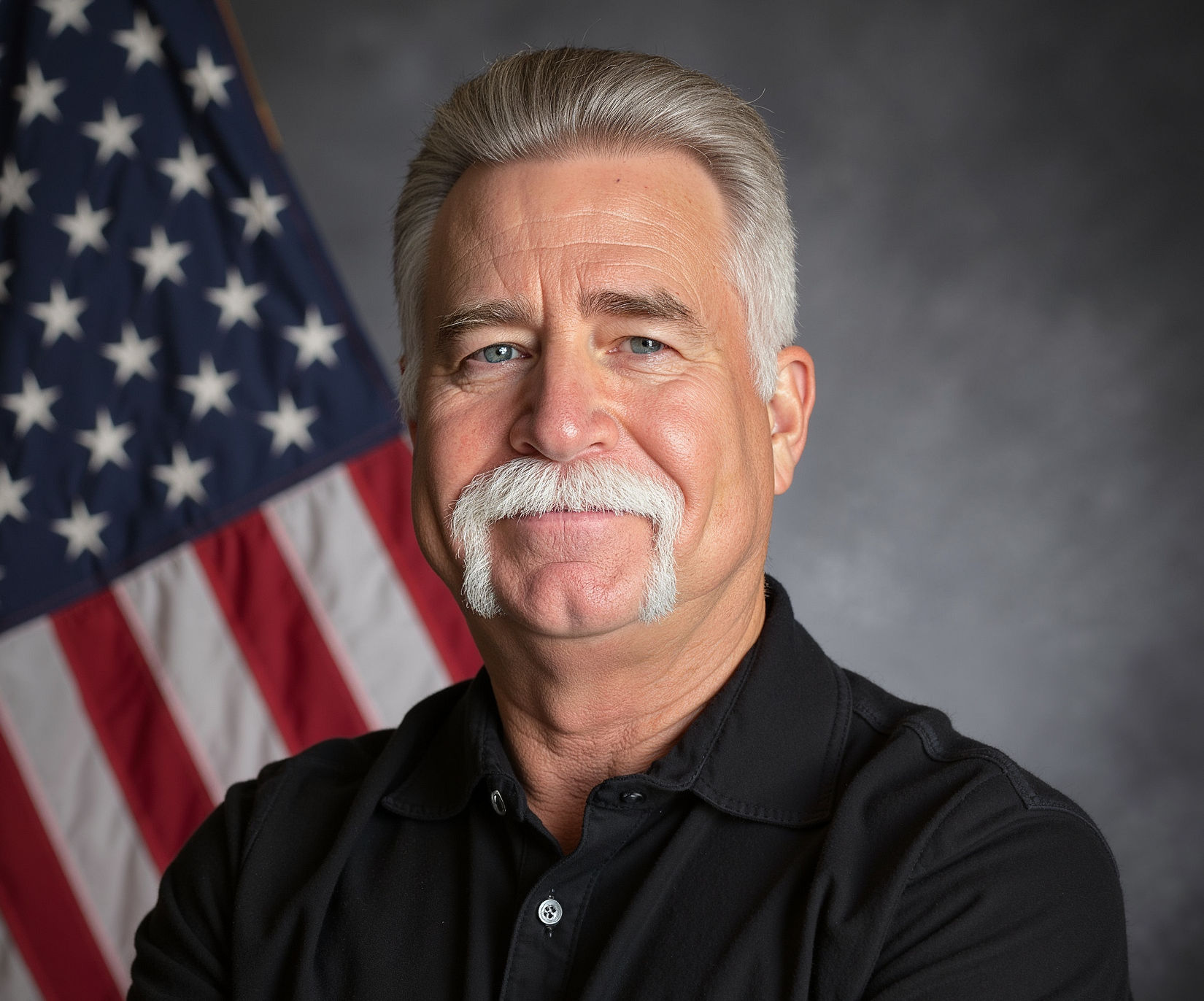
Greg Peters
Program Manager, NASA Flight Opportunities
Greg is a former Mars Surface Scientist for the Mars Curiosity Mission and has served as the Cognizant Engineer for the Geo Analogs project supporting the Mars Perseverance Mission. Additionally, Greg was the Chief Operations Officer for an advanced propulsion company. Greg is currently the acting Program Manager of NASA’s Flight Opportunities Program.
Last name Q-U
Nettie Roozeboom
Technologist, NASA Flight Opportunities Program, NASA
Dr. Nettie Roozeboom is a technologist with the NASA Flight Opportunities Program. Previously, she was the principal investigator and project manager for NASA ARMD’s Aerosciences Evaluations and Test Capabilities (AETC) Unsteady Pressure-Sensitive Paint Capability Challenge. Dr. Roozeboom first came to NASA as an intern in 2007 and joined NASA in 2008 after graduation from the University of Tennessee with a bachelor’s in mechanical engineering. She received her master’s in mechanical engineering from Stanford University in 2011 and PhD in Industrial and Systems Engineering from the University of Tennessee. Dr. Roozeboom’s professional interests are exploration of the scientific frontiers and system development to accelerate scientific discovery through digital transformation.
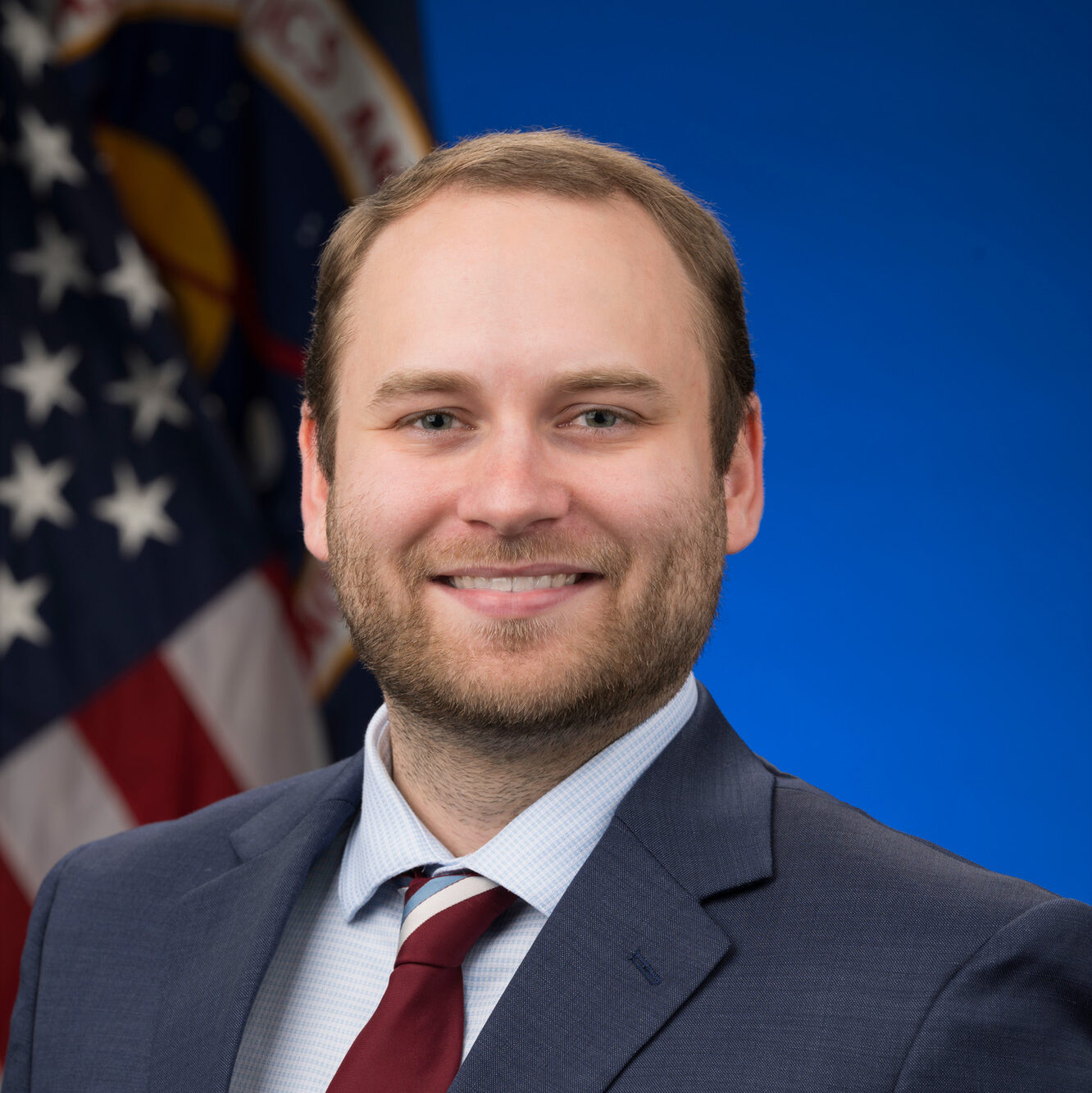
Derrick Seubert
Research Aerospace Engineer, AST, NASA Langley Research Center
Derrick Seubert is a Research Aerospace Engineer for the Structural Mechanics and Concepts Branch at NASA’s Langley Research Center. He has a background in space structures and robotic in space assembly and manufacturing (iSAM) projects.
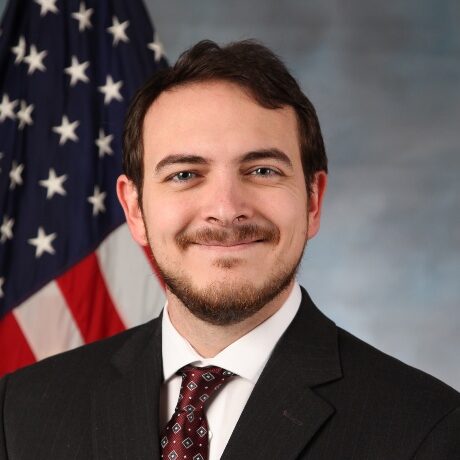
Alex Sizemore
Navigation Engineer, Engineering Directorate, NASA Johnson Space Center
Alex Sizemore is a Senior Research Aerospace Engineer with the Air Force Research Lab’s Space Warfare Directorate. His research interests include Rendezvous, Proximity Operations, and Docking (RPOD) as well as space logistics and servicing. He is also the Principal Investigator of the Tetra-5 satellite mission, which will be conducting on-orbit refueling operations in the near future.

Eugene Skelton
GNC Engineer, NASA
Eugene has been designing, building, and flying spacecraft for over 25 years with NASA and private companies. He currently supports Orion Guidance, Navigation, and Control and serves as the Goddard Space Flight Center's In-Space Servicing and Manufacturing Rendezvous and Proximity Operations lead.
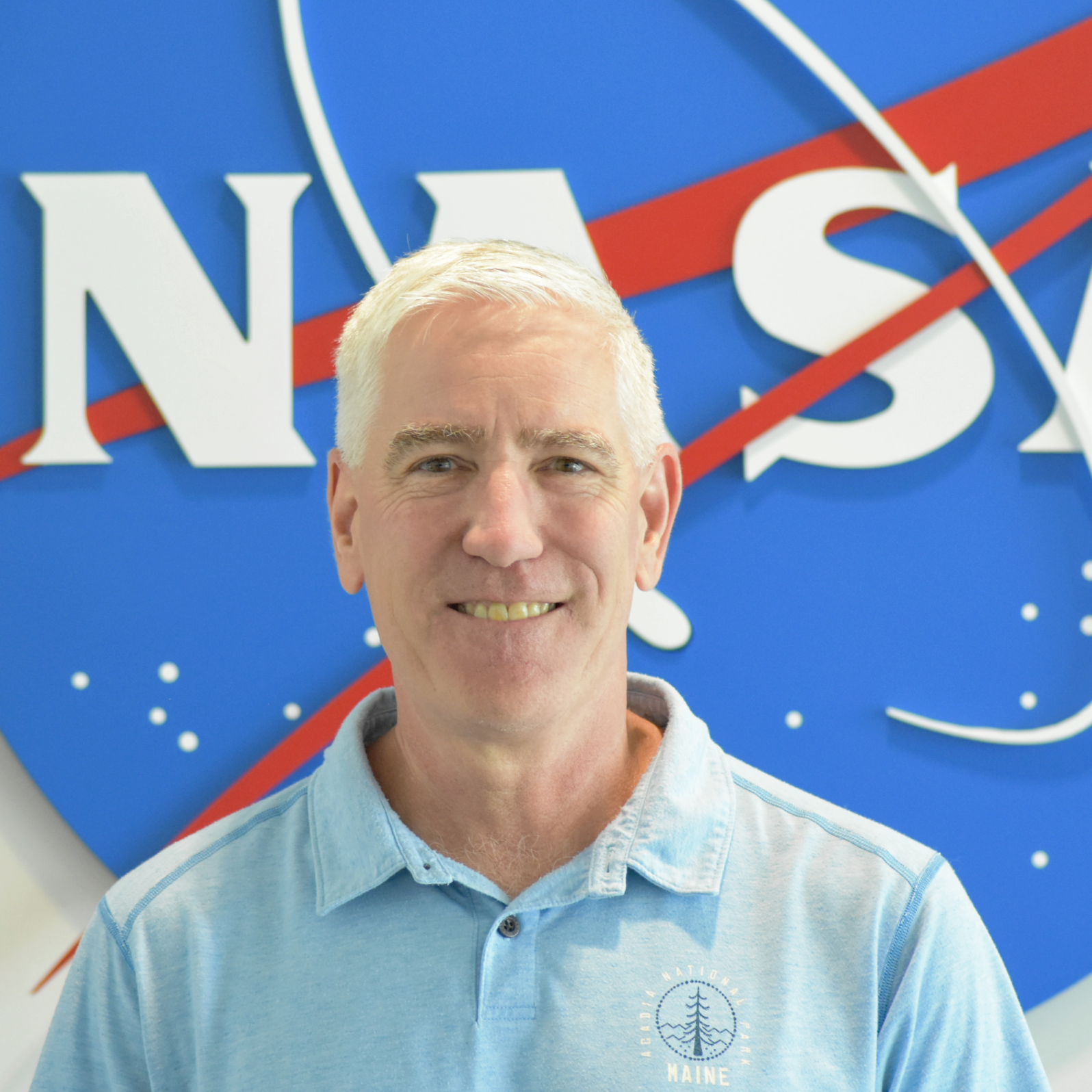
Russ Snyder
Architecture Development Manager, NASA Goddard Space Flight Center
Russ Snyder is an Architecture Development Manager at NASA Goddard Space Flight Center, where he provides project management and systems engineering for complex in-space robotics, ISAM, and lunar surface instrument projects. Russ brings leadership and technical expertise in technology development, spaceflight projects, and in-space servicing while serving in industry and government roles.
Russ contributes to NASA’s mission by serving as a Project Manager, Contracting Officer's Representative, Technical Manager, Subtopic Manager, and reviewer for SBIR’s, ACO’s, and other opportunities supported by the Research and Technology Mission and Science Mission Directorates.
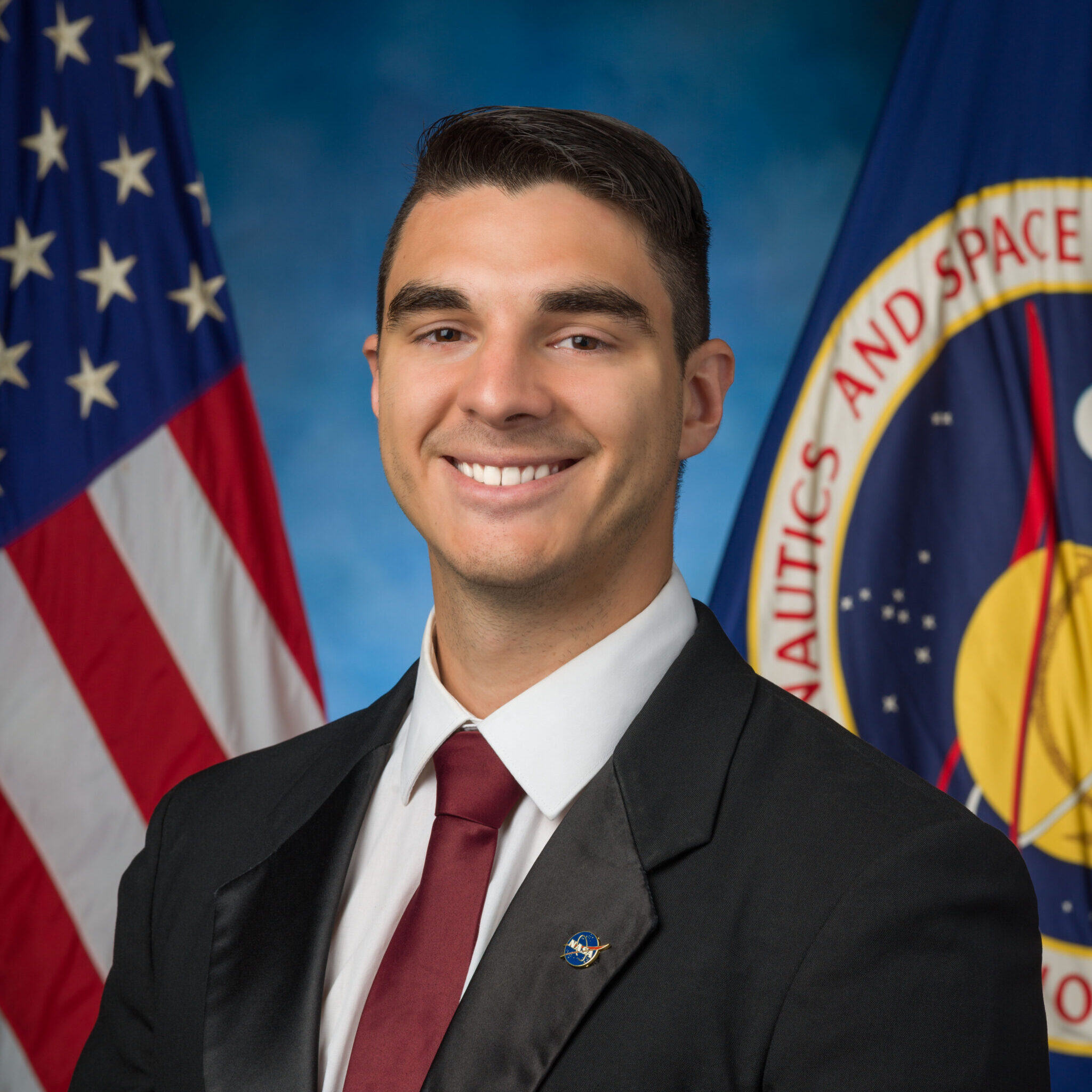
Samuel “Alex” Sowell
Robotics and Avionics Engineer, NASA Johnson Space Center
Alex Sowell is a robotics and avionics engineer in the Robotic Systems Technology Branch at NASA Johnson Space Center. His work spans robotic system development, embedded avionics, and advanced control technologies for human spaceflight and planetary surface operations. He is also pursuing a Ph.D. in mechanical engineering at Texas A&M University, with research focused on high-performance compliance control for space manipulators. Alex holds a B.S. and M.S. in electrical engineering from Stanford University and an M.S. in computer science from Georgia Tech.
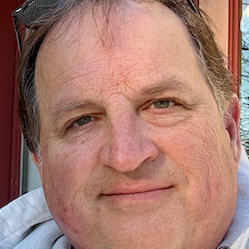
Brook Sullivan
Chief Space Systems Engineer, SATS LLC
Dr. Sullivan served as lead Technical SETA for the Robotic Servicing of Geosynchronous Satellites Program. Led the Robotics section of the joint NASA-DARPA Manned GEO Servicing Study (2012). 2005 UMD Dissertation: “Technical and Economic Feasibility of Telerobotic On-Orbit Satellite Servicing.
Last name V-Z
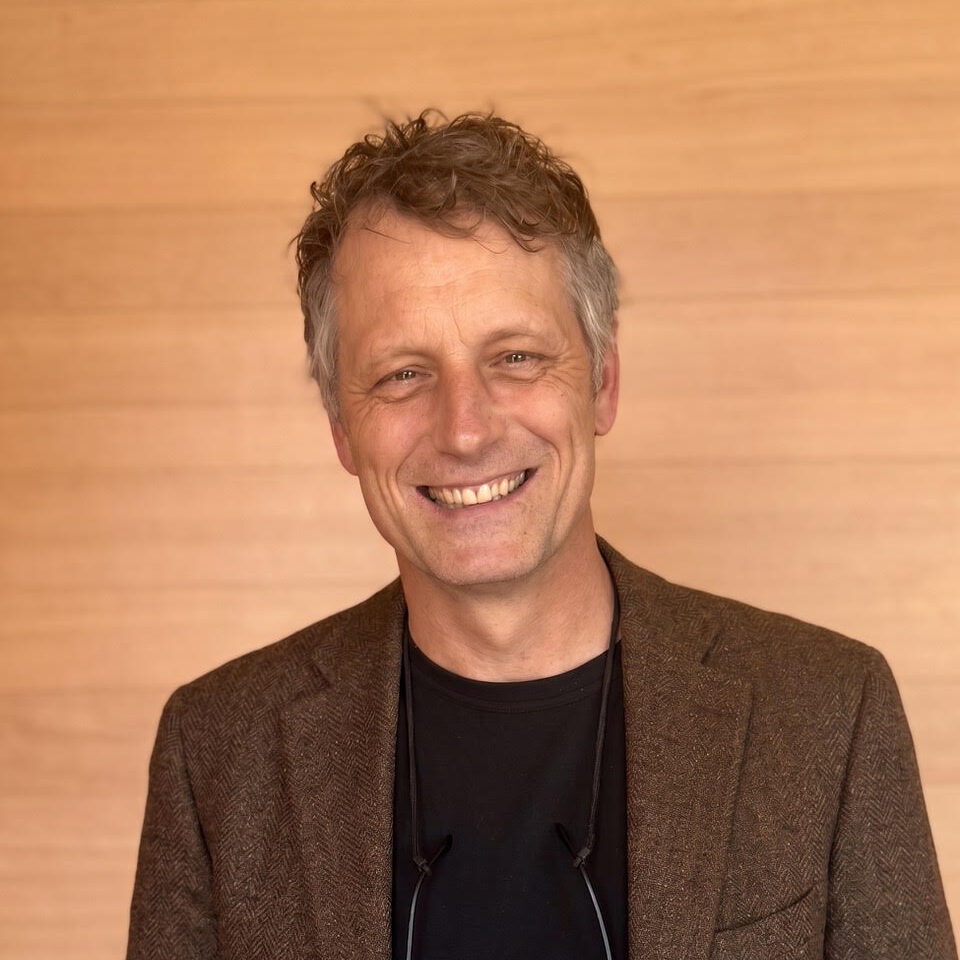
Alex Van Dijk
Technologist, Astrion, NASA Ames Research Center
Alexander van Dijk is a technologist with the NASA Flight Opportunities program where he covers advanced manufacturing (AM), advanced sensors/compute, and cryogen fluid management (CFM) related technologies. Alexander holds a master’s degree in Aerospace Engineering from Delft University of Technology and is an International Space University (ISU) alum of the 2006 summer session.
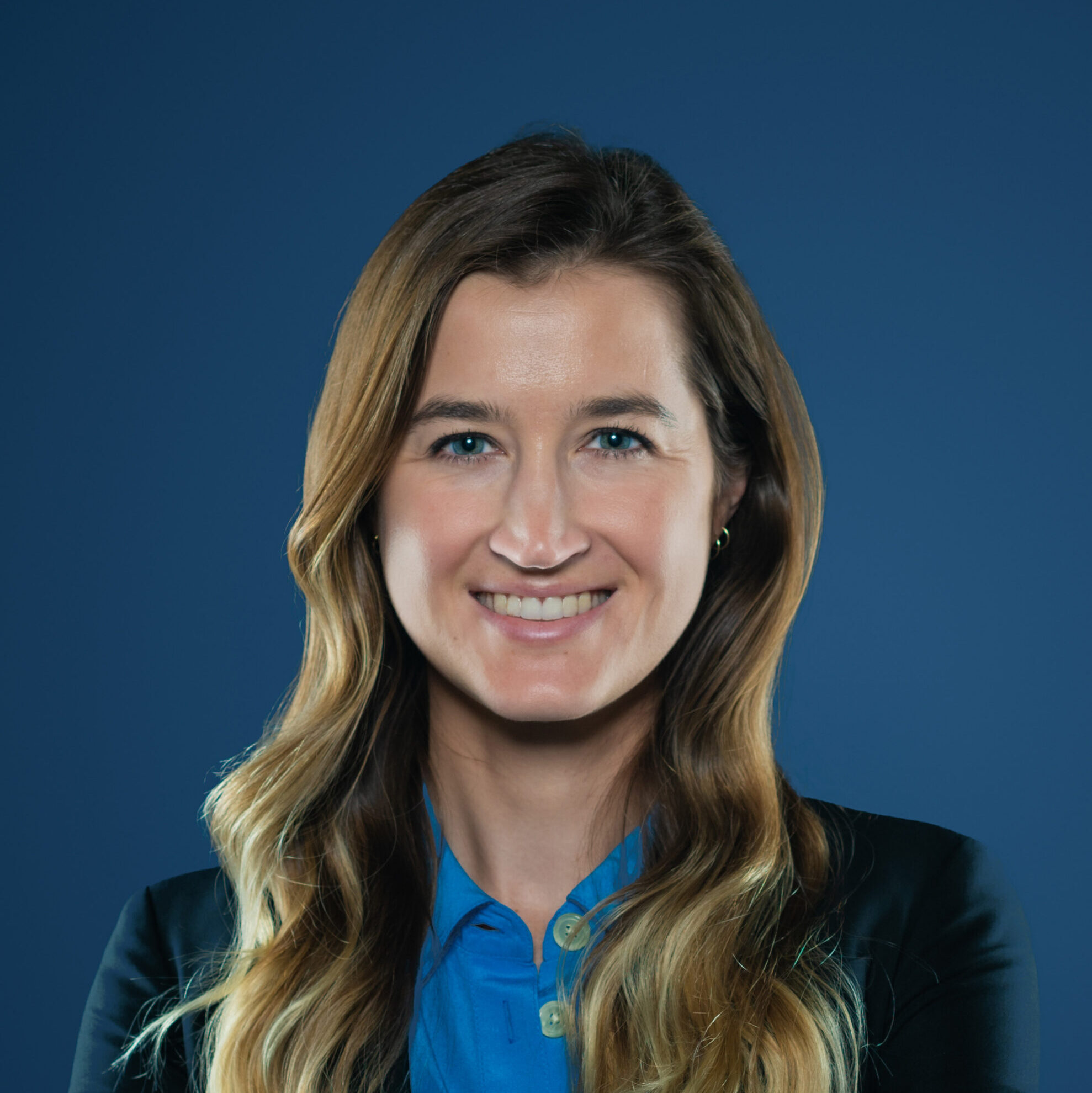
Hannah Weiher
Technologist/Campaign Manager, NASA’s Flight Opportunities
Hannah Weiher is a technologist and campaign manager for NASA’s Flight Opportunities program with Armstrong Flight Research Center. Prior to that, she supported the guidance, navigation, and control verification and validation on the Europa Clipper mission at the Jet Propulsion Laboratory. Her background is in spacecraft attitude determination and control, has experience in satellite mission management from program inception to on-orbit operations, as well as leading portfolios focused on early research and development. In her previous role, she was program manager for an Aerospace Corporation-developed satellite program testing modular and autonomous technologies. She earned bachelor’s and master’s degrees in aerospace engineering from the University of Minnesota.
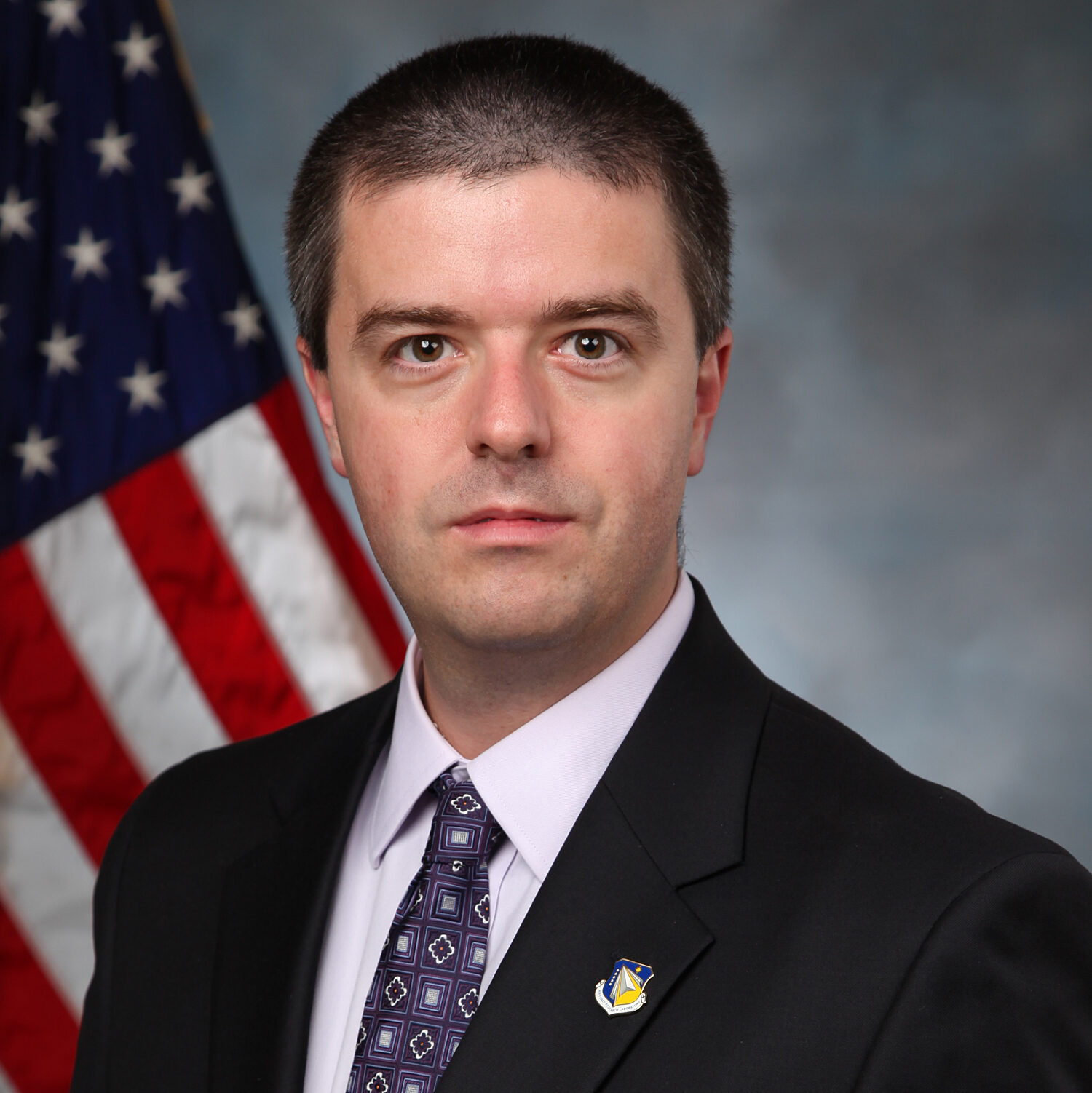
Adrian Wheelock
Program Manager at Air Force Research Laboratory
In 24 years as a summer student that hasn’t yet left the Air Force Research Laboratory, Adrian has worked in a variety of fields ranging from plasma dynamics, space environment sensors and modeling, spacecraft autonomy, on-orbit refueling, space domain awareness, and program management.
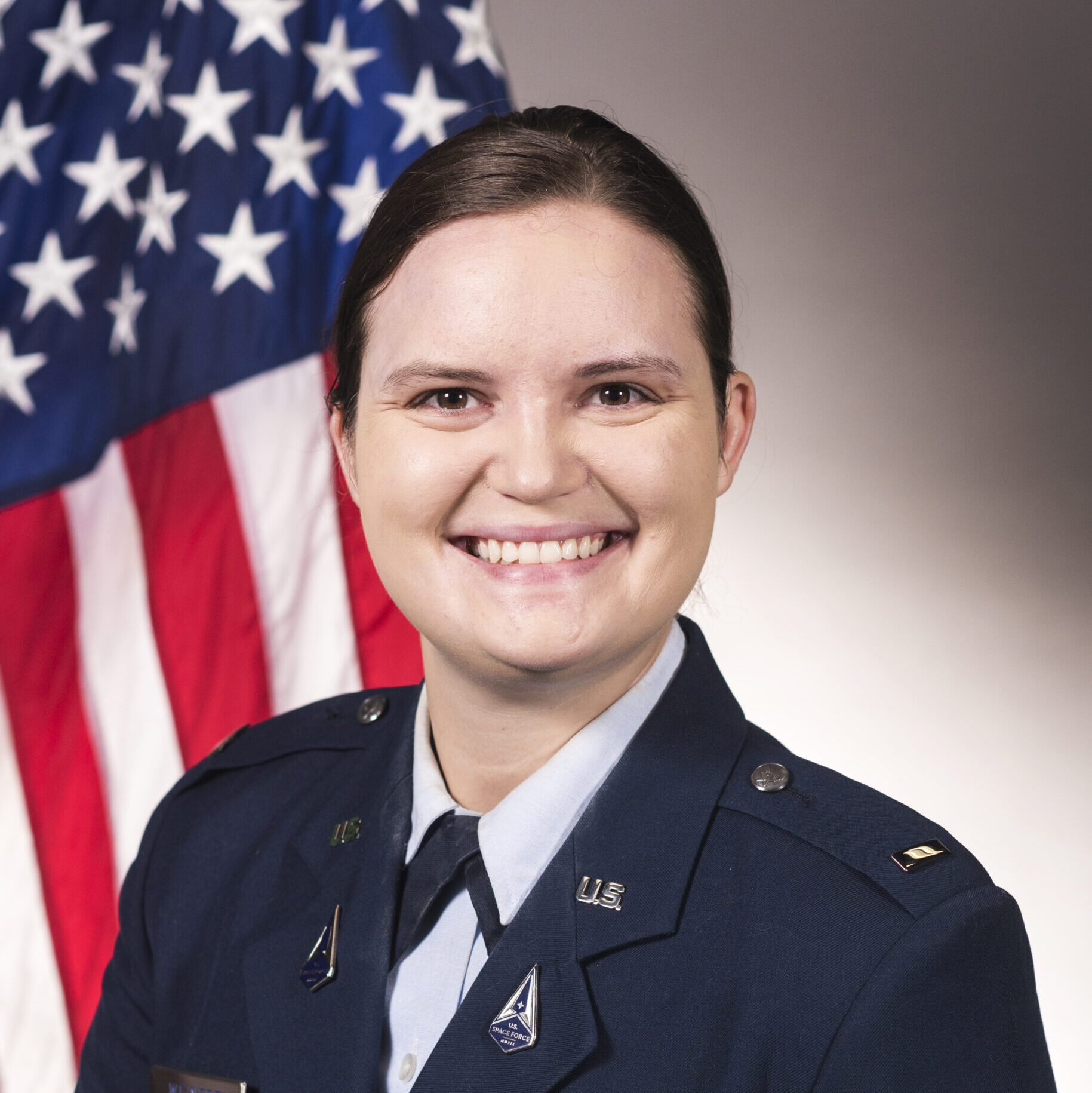
Capt Ginny Weinert
Mission Assurance Chief Engineer for Space, Mobility, and Logistics, SpaceForce
Mission Assurance Chief Engineer for Space, Mobility, and Logistics managing technical risks and integrate critical technologies across vehicle lifecycles to secure assured access to space for warfighters and national security agencies. Actively serving as the USSF capability integrator providing crucial engineering recommendations that support the Space Force’s transition to a dynamic space architecture. Directly advancing the strategic shift toward Dynamic Space Operations (DSO), ensuring military spacecraft can "maneuver without regret" through on-orbit refueling, sustained mobility, and advanced logistics.

Joe Zimo
Aerospace Systems Engineer, NASA
Joe Zimo is an aerospace systems engineer supporting NASA’s Space Technology Mission Directorate (STMD), where he evaluated emerging space technologies and helps shape flight-testing and technology development initiatives. He holds a master’s degree in space systems engineering from Johns Hopkins university and brings experience assessing technical feasibility, mission relevance, and pathways from early stage concepts to flight demonstration.